
food
Best Empanada de Espinaca Near Me: How to Find the Perfect Spinach Empanada


Searching for the best empanada de espinaca near me usually means you are looking for more than just any empanada. You want one with a flavorful spinach filling, a properly cooked crust, and the kind of fresh taste that makes the search worthwhile. Empanada de espinaca, or spinach empanada, is a popular variation of the traditional filled pastry and can be prepared in several different ways depending on the restaurant, bakery, café, or specialty food shop. Some versions are baked until the exterior becomes golden and crisp, while others are fried for a richer and crunchier texture. The filling may combine spinach with cheese, onion, garlic, herbs, spices, or other vegetables, creating a savory snack that works well for breakfast, lunch, an afternoon bite, or a light dinner. For someone searching locally, the challenge is not simply finding a place that sells empanadas but identifying the location that offers the right combination of freshness, filling quality, crust texture, flavor, price, and convenience.
The phrase “best empanada de espinaca near me” also has strong local-search intent. People using this search are typically looking for a nearby option rather than a general explanation of empanadas. Search engines consider factors such as location, business information, reviews, relevance, opening hours, and available food categories when presenting local results. That means the best result for one person may not be the best result for someone in another neighborhood or city. In Faisalabad, for example, local restaurant and bakery listings include a wide range of food businesses, but a listing should not automatically be treated as proof that a particular business currently sells spinach empanadas. Local menus can change, and specialty items may be available only on certain days. Therefore, checking the current menu or contacting the business before traveling is a smart step when specifically looking for an empanada de espinaca.
What Is an Empanada de Espinaca?
An empanada de espinaca is a savory pastry filled primarily with spinach. The word “empanada” generally refers to a filled dough or pastry, and recipes vary considerably between countries, regions, bakeries, and individual cooks. A spinach version replaces or complements traditional meat fillings with seasoned leafy greens, often creating a lighter but still satisfying option. One of the reasons spinach empanadas are appealing is their versatility. The spinach can be combined with ingredients such as cheese, onion, garlic, herbs, mushrooms, peppers, or other vegetables, allowing each establishment to create its own interpretation. Some cooks prefer a creamy filling, while others keep the spinach mixture relatively dry so that the pastry remains crisp and does not become soggy.
The quality of an empanada de espinaca depends heavily on the relationship between the filling and pastry. A good filling should be flavorful without releasing excessive moisture into the dough. Spinach naturally contains a significant amount of water, so preparation matters. If the spinach is not properly cooked and drained, the moisture can make the pastry soft or wet. On the other hand, spinach that has been overcooked can lose its fresh flavor and become dull in texture. The best versions generally balance savory seasoning, spinach, and any additional ingredients while allowing the pastry to retain its structure. When searching for the best spinach empanadas near me, paying attention to these details can help distinguish an excellent empanada from an ordinary one.
How to Find the Best Empanada de Espinaca Near Me
The easiest way to begin your search for the best empanada de espinaca near me is to use a local search engine or map application and try several related phrases rather than relying on one exact query. Search for “empanada de espinaca near me,” “spinach empanada near me,” “vegetarian empanadas near me,” “empanadas nearby,” and “fresh empanadas near me.” Different businesses may describe the same product differently, so searching multiple variations can uncover restaurants, bakeries, cafés, specialty food shops, and delivery listings that might not appear for a single keyword. Once you find potential options, examine the business profile, current menu, customer reviews, photographs, opening hours, and recent comments. A business that specializes in pastries may be a better match than a general restaurant, but a restaurant with a strong reputation for Latin American or international food may also offer an excellent version.
Local search is particularly important for a keyword containing “near me.” A page can be highly informative about empanadas while still failing to satisfy the user if it does not help them find a practical nearby option. If you are searching in Faisalabad, for example, current local listings include businesses such as Super Ideal Sweets & Bakers and other bakeries and restaurants, but you should verify whether the specific spinach empanada is actually available before placing an order. Local restaurant directories can also contain broader restaurant rankings, although those rankings do not necessarily indicate that a restaurant sells the exact dish you want.
What Makes the Best Spinach Empanada?
The first thing to evaluate is the pastry crust. A great empanada should have a crust that complements the filling instead of overpowering it. Depending on the cooking method, the exterior may be flaky, crisp, tender, or slightly chewy, but it should generally hold the filling securely without becoming excessively greasy or soggy. A baked empanada should have an appealing golden exterior and enough structure to survive handling, while a fried version should ideally have a crisp shell without feeling excessively oily. When you cut or bite into the pastry, the dough should not completely dominate the experience. The crust and filling need to work together, creating a satisfying contrast between the cooked exterior and savory spinach center.
The spinach filling is equally important. Freshness, seasoning, moisture, and texture can make a major difference. A high-quality spinach filling should taste savory and balanced rather than bland or overwhelmingly salty. If cheese is included, it should complement the spinach instead of completely hiding its flavor. Onion and garlic can add depth, while herbs and spices can give the filling a distinctive character. Another important factor is moisture. A filling that is excessively wet can turn a crisp pastry into a soft one, while a filling that is too dry may feel unpleasant and crumbly. The ideal filling should be moist enough to remain flavorful but controlled enough to preserve the pastry’s texture.
Baked vs. Fried Empanada de Espinaca
One of the biggest choices when looking for the best empanada de espinaca near me is whether you prefer a baked or fried version. Baked empanadas are generally appreciated by people who want a lighter-feeling pastry with a golden exterior and a more delicate crust. The baking process can allow the dough to develop a pleasant toasted flavor while keeping the filling relatively clean and savory. Fried empanadas, by comparison, often have a more pronounced crunch and a richer taste because the dough is cooked directly in hot oil. Neither method is automatically better; the ideal choice depends on personal preference and how well the establishment executes its cooking method.
If you enjoy crispy food and want a stronger contrast between the crust and filling, a freshly fried spinach empanada may be appealing. If you prefer a pastry that feels less heavy and allows the spinach and cheese filling to stand out, a baked version may be a better choice. Freshness matters in both cases. Even a well-prepared empanada can lose some of its appeal if it has been sitting for a long time. For that reason, asking whether the empanadas are made fresh or reheated can be useful when ordering from an unfamiliar location.
What Ingredients Should You Expect?
The ingredients in an empanada de espinaca can vary widely, which is part of what makes the dish interesting. Spinach is normally the central ingredient, but the supporting ingredients can determine the overall flavor profile. Cheese is a common pairing because its creamy, salty character works naturally with leafy greens. Onion and garlic can provide a savory base, while herbs and spices can make the filling more aromatic. Some versions may include mushrooms, peppers, corn, or other vegetables, while others keep the recipe simple and focus almost entirely on spinach and cheese.
If you have dietary preferences or allergies, it is important to check the ingredients before ordering. A spinach empanada may sound vegetarian, but recipes vary and some establishments may use ingredients that are not obvious from the menu description. The pastry itself can also contain dairy, eggs, or other ingredients depending on the recipe. If you need a vegetarian, vegan, halal, dairy-free, or gluten-free option, ask the restaurant or bakery directly rather than relying only on the product name.
How Reviews Can Help You Choose
Customer reviews can be useful when searching for the best empanada de espinaca near me, but they should be interpreted carefully. A restaurant can have excellent overall ratings while not offering the particular dish you want, and a customer may praise the atmosphere or service without discussing the empanadas. Look specifically for recent reviews that mention the food you are considering. Photos uploaded by customers can also provide useful clues about the pastry’s appearance, filling ratio, portion size, and presentation.
It is also helpful to consider how recent the information is. Menus, prices, opening hours, and available dishes can change, so an old review may not accurately describe the current experience. Local directories can provide useful background information, but direct confirmation from the establishment is the safest approach when a specific menu item is essential to your search. For example, current Faisalabad listings show many restaurants and bakeries with customer ratings and menu information, but that does not necessarily confirm the availability of spinach empanadas.
Price, Portion Size, and Value
Finding the best empanada de espinaca near me does not necessarily mean finding the cheapest one. Value is a combination of portion size, ingredient quality, freshness, flavor, preparation, and price. A slightly more expensive empanada may provide better ingredients, a more generous filling, or a freshly prepared pastry, making it more satisfying than a cheaper alternative. At the same time, an expensive product is not automatically better, so price should be considered alongside customer feedback and food quality.
When comparing different places, look at the cost per item as well as whether the business sells individual empanadas or packages. If you are ordering for a group, a larger box may offer better value. If you are simply trying an empanada for the first time, ordering one before purchasing several can help you determine whether you like the crust and filling style. This approach is especially useful when comparing bakeries or restaurants with different recipes.
Ordering an Empanada de Espinaca for Delivery
Delivery can be convenient when you want an empanada de espinaca near me without leaving home, but the delivery experience can affect pastry quality. Crispy foods can soften inside closed packaging because steam becomes trapped after cooking. A restaurant that prepares the empanada immediately before dispatch may provide a better result than one that holds cooked products for an extended period. If delivery is your preferred option, check whether the business offers the item through a delivery platform and whether customers mention packaging or freshness in their reviews.
When ordering online, carefully read the product description. A listing may say “vegetable empanada,” “spinach pastry,” or “spinach and cheese pastry” rather than using the exact Spanish phrase empanada de espinaca. Looking at photographs and ingredient descriptions can help you determine whether the item matches what you want. If the description is unclear, contacting the restaurant before ordering can prevent disappointment.
Best Places to Look for Spinach Empanadas
Depending on your city, the best places to search may include Latin American restaurants, Argentine restaurants, Spanish-inspired cafés, bakeries, specialty pastry shops, international food businesses, and restaurants with extensive vegetarian menus. Local bakeries can sometimes be particularly useful because they already specialize in baked dough products and may prepare savory pastries throughout the day. Restaurants with international menus may also offer empanadas as appetizers, snacks, or vegetarian options.
In Faisalabad, local restaurant listings demonstrate that there are numerous food businesses to explore, although availability of a particular international pastry should always be confirmed directly. For instance, local listings identify bakeries such as Super Ideal Sweets & Bakers, while broader restaurant directories provide many other food options throughout the city. The key is to search for the exact dish rather than assuming that every bakery or restaurant with pastries will carry spinach empanadas.
Questions to Ask Before Ordering
If you have found a restaurant that appears to offer an empanada de espinaca, a few simple questions can help you make a better decision. Ask whether the empanada contains spinach only or spinach and cheese, whether it is baked or fried, whether it is made fresh, and whether it is currently available. If you have dietary restrictions, ask about the pastry ingredients as well as the filling. You can also ask whether the item is spicy, particularly if you prefer a mild spinach filling.
These questions are especially useful when searching online because restaurant menus are not always updated immediately. A dish may have been listed previously but removed from the current menu, or it may only be available during certain hours. Confirming availability before traveling is therefore a simple way to save time and avoid disappointment.
Why Empanada de Espinaca Is Worth Trying
Empanada de espinaca offers an appealing alternative to traditional meat-filled empanadas because it combines the comfort of a savory pastry with the distinctive flavor of spinach. It can be filling without necessarily feeling as heavy as some meat-based versions, particularly when baked and paired with a fresh salad or light side dish. The addition of cheese, herbs, garlic, or onion can make the filling even more flavorful, while the pastry provides the satisfying texture that makes empanadas so popular.
For vegetarians and anyone simply looking to try something different, a spinach empanada can be an excellent choice. The dish is also versatile enough to work at different times of day. It can serve as a quick breakfast, an afternoon snack, a light lunch, or part of a larger meal. Once you find a bakery or restaurant that prepares a version you enjoy, it can become an easy local favorite.
Tips for Finding the Best Empanada de Espinaca Near You
Start by searching several variations of the keyword rather than using only one phrase. Try “best empanada de espinaca near me,” “empanada de espinaca near me,” “best spinach empanadas near me,” “spinach empanada nearby,” and “vegetarian empanadas near me.” Then compare the businesses that appear. Pay attention to recent reviews, customer photographs, menu descriptions, operating hours, and distance from your location. If a business looks promising but does not clearly list spinach empanadas, contact it directly to ask whether the item is currently available.
You should also consider freshness and preparation style. If you prefer a crisp crust, ask whether the empanada is baked or fried and whether it is prepared fresh to order. If you prefer a creamy filling, look for spinach-and-cheese versions. If you want a lighter option, a baked spinach empanada may suit you better. Most importantly, do not judge an establishment solely by its overall restaurant rating. The best place for your specific search is the one that actually offers a well-prepared empanada de espinaca and fits your location, budget, dietary needs, and preferred style.
Conclusion
Finding the best empanada de espinaca near me is ultimately about matching your personal preferences with a reliable local food business. A great spinach empanada should have a flavorful filling, a well-prepared crust, balanced seasoning, and enough freshness to make every bite enjoyable. Whether you prefer a golden baked pastry or a crunchy fried version, the combination of spinach with ingredients such as cheese, onion, garlic, and herbs can create a satisfying vegetarian-friendly snack or meal.
For the best results, search using several related keywords, compare local businesses, read recent food-specific reviews, examine customer photographs, and confirm that the spinach empanada is currently available before ordering. Local listings can help identify potential restaurants and bakeries, but availability of the exact dish should always be verified. By focusing on freshness, flavor, filling quality, pastry texture, value, and convenience, you can move beyond simply searching for an empanada and find the best empanada de espinaca near me for your own taste.
Frequently Asked Questions About Empanada de Espinaca
What is an empanada de espinaca?
An empanada de espinaca is a savory pastry filled primarily with spinach. Depending on the recipe, the filling may also contain cheese, onion, garlic, herbs, spices, mushrooms, or other vegetables. It can be baked or fried, and recipes vary between restaurants and regions.
Where can I find the best empanada de espinaca near me?
Search for “best empanada de espinaca near me,” “spinach empanada near me,” and “vegetarian empanadas near me” using a map or local search service. Check current menus and reviews, and contact the business to confirm that spinach empanadas are available before visiting.
Is empanada de espinaca vegetarian?
Many empanadas de espinaca are vegetarian because their main filling is spinach and vegetables, often with cheese. However, recipes differ, so you should confirm the ingredients with the restaurant or bakery if following a vegetarian diet.
Are spinach empanadas baked or fried?
Spinach empanadas can be either baked or fried. Baked versions usually have a golden, pastry-like crust, while fried versions tend to have a crispier and richer exterior. The preferred method depends on the establishment and your personal taste.
What is usually inside a spinach empanada?
Common ingredients include spinach, cheese, onion, garlic, herbs, and seasonings. Some recipes may include mushrooms, peppers, or other vegetables. The exact ingredients vary, so checking the menu or asking the restaurant is recommended.
Are empanadas de espinaca healthy?
A spinach empanada can be a convenient way to enjoy vegetables, but its nutritional value depends on the pastry, filling, cheese, cooking method, and portion size. Baked versions may be a lighter choice than fried versions, although the ingredients and preparation method matter most.
How do I know if a spinach empanada is fresh?
A fresh empanada should generally have a pleasant aroma, a properly cooked crust, and a filling that tastes fresh rather than stale or excessively dry. When ordering locally, ask whether the empanadas are made fresh or reheated.
Can I order empanada de espinaca for delivery?
Some restaurants and bakeries may offer spinach empanadas through delivery services, but availability depends on the location and current menu. Search for both “empanada de espinaca delivery” and “spinach empanada delivery” to find additional options.
What should I look for in the best spinach empanada?
Look for a crisp or properly baked crust, flavorful spinach filling, balanced seasoning, appropriate moisture, and a good filling-to-pastry ratio. Recent customer reviews and photographs can also help you compare different local options.
Why should I search for both “empanada de espinaca” and “spinach empanada”?
Businesses may use either Spanish or English terminology when describing the same food. Searching both phrases increases the chances of finding relevant restaurants, bakeries, cafés, and delivery listings that may not appear under only one keyword.

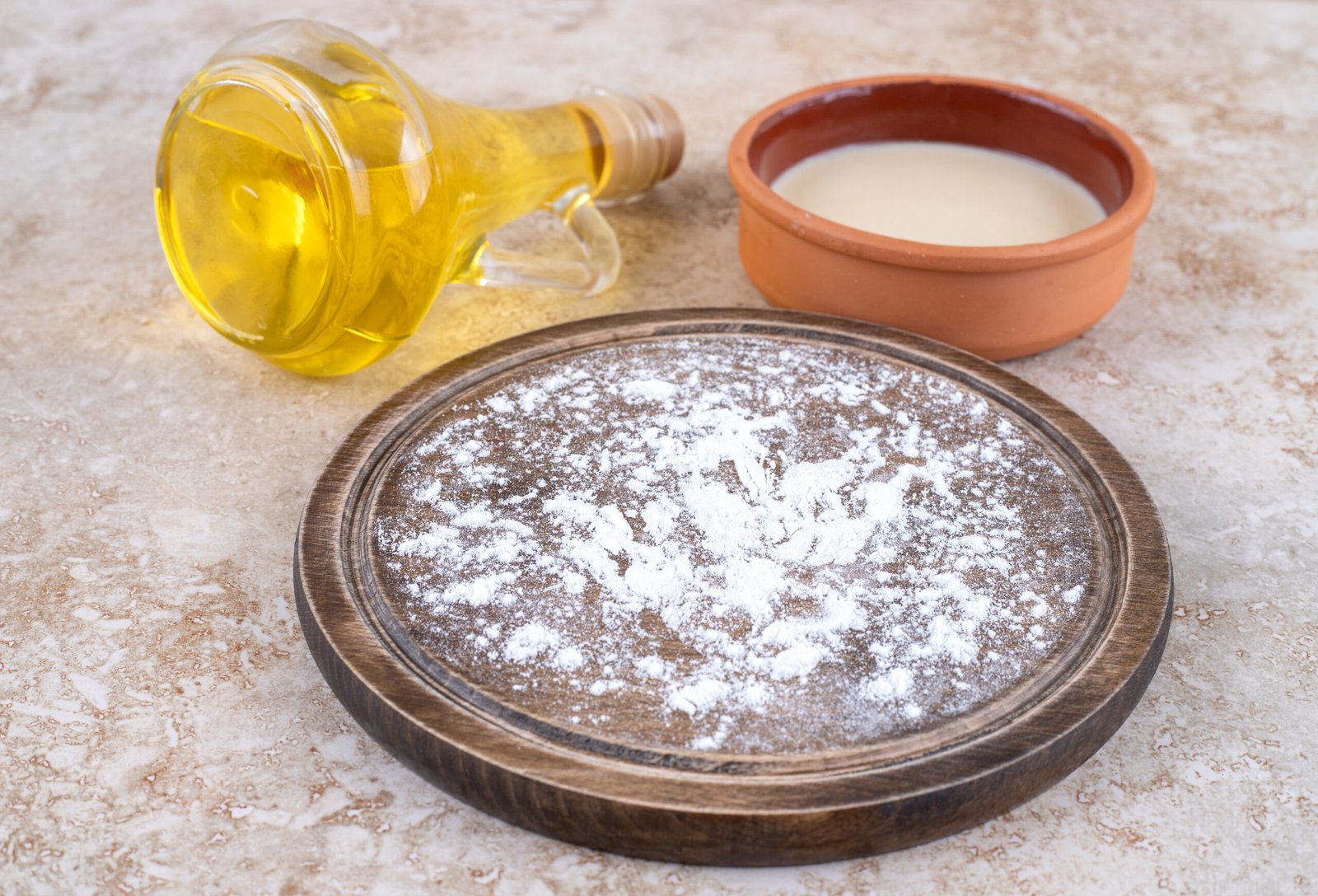
The Complete Guide to Baking’s Secret Behind Light, Fluffy, and Perfect Results
Introduction
Have you ever wondered why a loaf of bread rises beautifully in the oven while a cookie stays relatively flat? Or why a sponge cake feels incredibly light compared to a dense brownie? The answer lies in one of the most important concepts in baking: leavening. Whether you are an experienced baker or someone trying homemade bread for the first time, understanding leavening can transform your baking results.
Leavening is much more than a baking term. It is the scientific process responsible for creating air pockets inside dough and batter, giving baked goods their volume, texture, and softness. Without leavening, bread would be hard like crackers, cakes would resemble bricks, and pastries would lose their delicate layers. Every successful baked product depends on the right type of leavening agent working at the right time.
Modern baking relies on several leavening methods, including yeast, baking powder, baking soda, whipped egg whites, and steam. Each method works differently and is suitable for specific recipes. Understanding these differences helps bakers select the proper ingredient while avoiding common mistakes that affect texture, flavor, and appearance. This comprehensive guide explores everything you need to know about leavening, from its scientific principles to practical baking applications, helping you create bakery-quality results every time.
What Is Leavening
Leavening is the process of introducing gases into dough or batter, causing it to expand before and during baking. As the gas bubbles grow, they become trapped within the dough’s gluten network or the batter’s protein structure. Heat from the oven causes these bubbles to expand even further, creating the soft, airy texture found in bread, cakes, muffins, biscuits, and pastries.
The primary gas produced during leavening is carbon dioxide. Depending on the recipe, this gas may come from yeast fermentation, chemical reactions between baking soda and acidic ingredients, or baking powder releasing carbon dioxide when exposed to moisture and heat. Physical methods, such as whipping egg whites or creating steam, also contribute by incorporating air or water vapor into baked goods.
Leavening does more than increase volume. It also improves crumb structure, tenderness, moisture retention, and even flavor development. Many traditional breads rely on slow yeast fermentation, which not only makes the dough rise but also creates complex flavors that cannot be achieved through chemical leavening alone.
Why Is Leavening Important in Baking
Leavening is often called the heart of baking because it determines the final structure of almost every baked product. A properly leavened dough produces bread with a light interior, cakes with delicate crumbs, and pastries with flaky layers.
When leavening occurs correctly, baked goods develop consistent air pockets that create softness without sacrificing strength. This balanced structure allows bread to hold fillings, cakes to support frosting, and pastries to maintain crisp, delicate layers.
Leavening also influences flavor. Yeast fermentation develops subtle sweet and nutty notes, while proper chemical leavening ensures that cakes and cookies rise evenly without leaving unpleasant aftertastes. The process even affects appearance by creating attractive volume, golden crusts, and professional-looking baked products.
Without effective leavening, baked goods become dense, heavy, compact, and difficult to chew, making this process essential for successful baking.
Types of Leavening
Biological Leavening
Biological leavening relies on living microorganisms, most commonly yeast. During fermentation, yeast consumes sugars naturally present in the dough and converts them into carbon dioxide and alcohol. The gas becomes trapped within the gluten network, allowing the dough to expand gradually.
This slow fermentation process creates not only volume but also rich flavor and aroma. Artisan breads, pizza dough, cinnamon rolls, and dinner rolls all rely on biological leavening. Because fermentation takes time, yeast-based recipes require proofing periods that allow the dough to rise before baking.
Fresh yeast, active dry yeast, and instant yeast each have unique characteristics, but all perform the same essential function of producing carbon dioxide naturally.
Chemical Leavening
Chemical leavening occurs when baking soda or baking powder reacts with moisture, heat, or acidic ingredients to produce carbon dioxide almost immediately.
Baking soda requires an acidic ingredient such as lemon juice, vinegar, yogurt, buttermilk, or cocoa powder. Without acid, baking soda remains inactive and may leave a bitter taste.
Baking powder already contains both an alkaline ingredient and an acid, allowing it to work simply by adding liquid and heat. Double-acting baking powder releases gas twice—once when mixed and again during baking—making it the preferred choice for cakes, muffins, pancakes, and biscuits.
Chemical leavening offers speed and convenience, making it ideal for quick breads and desserts that do not require fermentation.
Physical Leavening
Physical leavening uses air or steam instead of chemical reactions or microorganisms.
Whipping egg whites introduces millions of tiny air bubbles into batters. During baking, these bubbles expand, producing incredibly light cakes such as angel food cake and soufflés.
Steam acts as another natural leavening agent. Puff pastry and choux pastry rely on water turning into steam in the oven, creating layers and hollow interiors without yeast or baking powder.
Mechanical techniques like creaming butter and sugar also trap air that contributes to volume during baking.
Common Leavening Agents
| Leavening Agent | Type | Best Used For | Rising Speed |
|---|---|---|---|
| Yeast | Biological | Bread, Pizza, Rolls | Slow |
| Baking Soda | Chemical | Cookies, Muffins | Fast |
| Baking Powder | Chemical | Cakes, Biscuits | Fast |
| Steam | Physical | Puff Pastry | Very Fast |
| Egg Whites | Physical | Sponge Cakes | Medium |
Baking Soda vs Baking Powder
Many beginners confuse baking soda with baking powder, yet they perform different roles.
| Feature | Baking Soda | Baking Powder |
|---|---|---|
| Needs Acid | Yes | No |
| Speed | Immediate | Double Acting |
| Taste | Can Become Bitter | Neutral |
| Best For | Acidic Recipes | Most Cakes |
Understanding this difference prevents baking failures and ensures proper texture.
Common Leavening Mistakes
Many baking problems result from incorrect leavening rather than poor recipes.
Common mistakes include:
- Using expired baking powder.
- Measuring ingredients inaccurately.
- Overmixing cake batter.
- Not allowing yeast dough enough time to rise.
- Using water that’s too hot for yeast.
- Opening the oven too early.
- Using the wrong type of flour.
Each mistake can reduce volume, create uneven textures, or prevent baked goods from rising properly.
Tips for Perfect Leavening Every Time
Successful bakers consistently follow a few important practices. Fresh ingredients should always be used because expired baking powder and inactive yeast lose their effectiveness. Ingredients should be measured accurately using proper measuring tools rather than estimating quantities. Dough should be mixed only until ingredients are combined unless kneading is specifically required. Yeast-based dough benefits from warm environments during proofing, while quick breads should be baked immediately after mixing to maximize gas production. Maintaining the correct oven temperature is equally important because premature heat loss can prevent baked goods from reaching their full volume.
Conclusion
Leavening is the foundation of successful baking. It transforms simple mixtures of flour, water, eggs, and sugar into soft breads, airy cakes, flaky pastries, and tender biscuits. Whether the rise comes from yeast fermentation, baking powder, baking soda, whipped egg whites, or steam, every leavening method contributes to texture, flavor, and appearance in its own unique way.
Understanding how each leavening agent works allows bakers to choose the right method for every recipe and avoid common baking mistakes. By using fresh ingredients, following recipes carefully, and respecting the science behind leavening, anyone can consistently produce light, flavorful, and beautifully risen baked goods. Mastering leavening is one of the most valuable skills in baking, opening the door to better bread, cakes, cookies, pastries, and countless other homemade treats.
Frequently Asked Questions (FAQs)
1. What is leavening in baking?
Leavening is the process of producing gas in dough or batter, allowing baked goods to rise and develop a light, airy texture.
2. What are the three main types of leavening?
The three main types are biological leavening (yeast), chemical leavening (baking powder and baking soda), and physical leavening (air and steam).
3. Which leavening agent is best for bread?
Yeast is the preferred leavening agent for bread because it creates both volume and complex flavors through fermentation.
4. Can baking soda replace baking powder?
Only if the recipe contains enough acidic ingredients to activate the baking soda. Otherwise, the baked product may not rise properly.
5. Why didn’t my cake rise?
Common reasons include expired leavening agents, inaccurate measurements, overmixing the batter, or baking at the wrong oven temperature.
What Is Fenugreek?
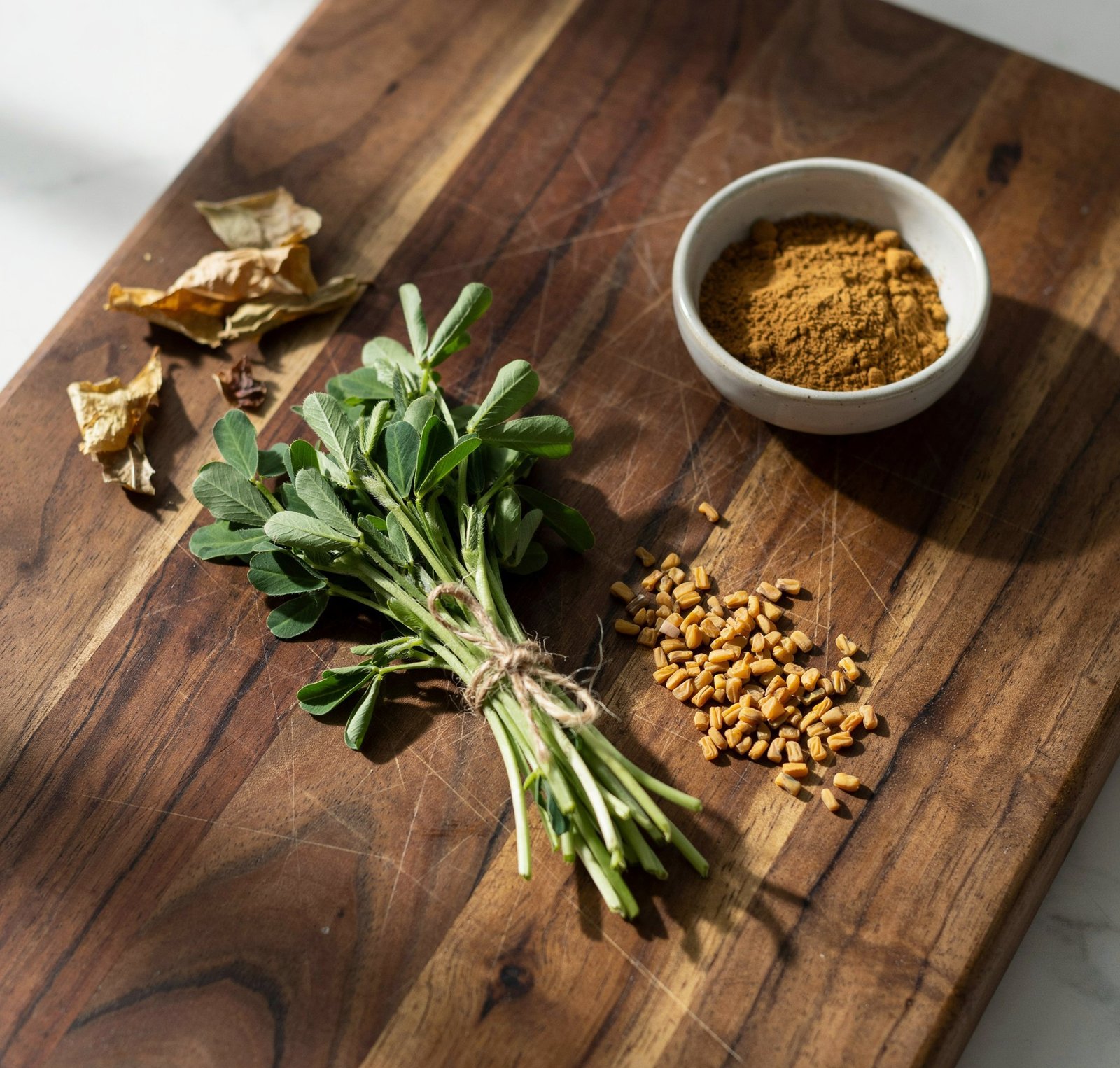
Fenugreek, known as Foenegriek in Dutch and scientifically as Trigonella foenum-graecum, is one of the oldest medicinal and culinary herbs in the world. Native to the Mediterranean region, Western Asia, and parts of Southern Europe, this remarkable plant has been cultivated for thousands of years. Its golden-brown seeds and aromatic green leaves are widely used in traditional cooking, herbal medicine, and modern dietary supplements. Today, fenugreek is especially popular in Indian, Middle Eastern, and North African cuisines, where it contributes a distinctive sweet and nutty flavor often compared to maple syrup.
The popularity of fenugreek extends far beyond the kitchen. Ancient civilizations valued it for its perceived healing properties, using it to support digestion, improve overall wellness, and address various health concerns. In modern times, scientific researchers have begun investigating many of these traditional claims. While some findings remain preliminary, studies suggest that fenugreek may play a role in supporting blood sugar regulation, breastfeeding, hormonal health, and cardiovascular wellness. Its versatility has made it a staple ingredient in herbal remedies, teas, powders, capsules, shampoos, and skincare products around the world.
Botanical Origins and History
Fenugreek belongs to the legume family, which includes beans, peas, and lentils. The plant grows approximately two to three feet tall and produces small pods containing hard, aromatic seeds. Archaeological evidence suggests that fenugreek was used in Ancient Egypt, Greece, and Rome. Historical records indicate that the herb served both culinary and medicinal purposes, reflecting its longstanding importance in human culture.
Why Fenugreek Remains Popular Today
Modern consumers increasingly seek natural wellness solutions, and fenugreek fits perfectly into this trend. Whether consumed as a spice, brewed as tea, sprouted, or taken as a supplement, fenugreek offers a unique combination of flavor, nutrition, and potential health benefits. This combination keeps it relevant in both traditional and contemporary health practices.
Nutritional Profile of Fenugreek
One reason fenugreek has attracted scientific interest is its impressive nutritional composition. The seeds contain dietary fiber, protein, vitamins, minerals, and bioactive plant compounds. According to nutritional analyses, a tablespoon of whole fenugreek seeds provides approximately 35 calories, 3 grams of fiber, 3 grams of protein, and several beneficial phytochemicals. These compounds contribute to the herb’s potential physiological effects and make it a valuable addition to a balanced diet.
The seeds are particularly rich in soluble fiber, which can slow digestion and influence how the body processes carbohydrates. This characteristic may explain why fenugreek is frequently studied for blood sugar management. In addition, the seeds contain antioxidants and plant compounds such as saponins and alkaloids, which researchers believe may contribute to various health-promoting effects. Unlike many supplements that focus on a single active ingredient, fenugreek provides a broad spectrum of nutrients working together naturally.
Key Nutrients Found in Fenugreek Seeds
Fenugreek contains:
- Dietary fiber
- Plant protein
- Iron
- Magnesium
- Manganese
- Copper
- Potassium
- Antioxidants
- Beneficial phytochemicals
Nutritional Value Table
| Nutrient (per 11g seeds) | Approximate Amount |
|---|---|
| Calories | 35 |
| Protein | 3g |
| Carbohydrates | 6g |
| Fiber | 3g |
| Fat | 1g |
These nutrients help explain why fenugreek has earned a reputation as both a food and a functional herb.
Major Health Benefits of Fenugreek
Blood Sugar Management
Among all the potential benefits associated with fenugreek, blood sugar support is perhaps the most researched. Scientists believe the high soluble fiber content may slow carbohydrate absorption in the digestive tract. This process can help moderate post-meal blood sugar spikes, which is especially relevant for individuals seeking better glucose control. Several studies have investigated fenugreek supplementation in people with diabetes and insulin resistance, with many reporting promising outcomes. However, health authorities emphasize that additional high-quality research is still needed before definitive conclusions can be drawn.
Think of soluble fiber as a traffic controller on a busy highway. Instead of allowing sugar to rush into the bloodstream all at once, fiber helps regulate the flow more gradually. This mechanism may support more stable energy levels and reduce dramatic fluctuations in blood glucose. While fenugreek should never replace prescribed medical treatment, some healthcare professionals consider it a potentially useful complement to healthy lifestyle practices when used appropriately and under medical supervision.
Support for Breastfeeding Mothers
One of the oldest traditional uses of fenugreek involves supporting milk production among breastfeeding mothers. For centuries, women in various cultures have consumed fenugreek tea or supplements to help increase breast milk supply. Modern research has examined this practice and found evidence suggesting fenugreek may indeed contribute to enhanced milk production in some individuals. Researchers believe this effect may be linked to the herb’s influence on sweat glands, which share similarities with mammary glands.
The experience, however, can vary considerably from person to person. Some mothers report noticeable improvements, while others observe little change. Healthcare providers generally recommend consulting a physician or lactation specialist before using fenugreek supplements, particularly because herbal products can interact with medications or produce side effects. Despite these considerations, fenugreek remains one of the most widely used herbal galactagogues globally.
Potential Testosterone Support
Another area attracting significant attention involves testosterone levels and male health. Some studies suggest fenugreek extracts may support healthy testosterone levels and improve aspects of sexual function. These findings have fueled the popularity of fenugreek-containing supplements marketed toward athletes and men seeking hormonal support. Nonetheless, researchers caution that results remain mixed and additional large-scale studies are required to confirm the extent of these effects.
The excitement surrounding testosterone enhancement often exceeds the available evidence. While preliminary findings appear encouraging, responsible consumers should approach bold marketing claims carefully. Fenugreek may offer benefits, but it is not a miracle solution. Maintaining healthy sleep patterns, regular exercise, proper nutrition, and stress management continues to be the foundation of hormonal health.
Digestive Health Benefits
Digestive wellness represents another traditional application of fenugreek. The herb’s fiber content may support regular bowel movements and contribute to a healthier digestive environment. Many people consume fenugreek tea after meals to ease digestive discomfort and promote gastrointestinal balance. The seeds have also been traditionally used as a natural remedy for occasional constipation and digestive sluggishness.
Imagine your digestive system as a complex ecosystem. Fiber acts like nourishment for beneficial gut processes, helping maintain smoother functioning throughout the digestive tract. While fenugreek alone cannot solve every digestive concern, its fiber-rich composition makes it a useful dietary addition for many individuals seeking improved digestive health.
Cholesterol and Heart Health
Emerging research suggests fenugreek may positively influence cholesterol levels and cardiovascular health. Some studies indicate reductions in total cholesterol and LDL cholesterol among participants consuming fenugreek regularly. Researchers theorize that soluble fiber and plant compounds within the seeds contribute to these effects by affecting cholesterol absorption and metabolism.
Heart health rarely depends on a single food or supplement. Instead, it results from consistent lifestyle choices over time. Fenugreek can be viewed as one component of a heart-conscious dietary strategy that also includes fruits, vegetables, whole grains, physical activity, and smoking avoidance. When combined with these practices, it may provide additional support for cardiovascular wellness.
Fenugreek for Hair and Skin
Hair Growth and Scalp Care
Fenugreek has become increasingly popular in natural hair care routines. Enthusiasts often create hair masks using soaked and ground fenugreek seeds, believing the herb can strengthen hair, reduce breakage, and support scalp health. Some preliminary studies have reported improvements in hair thickness and volume among users of fenugreek-based preparations, although stronger scientific evidence is still needed.
The seeds contain antioxidants and plant compounds that may help create a healthier scalp environment. Their anti-inflammatory and antimicrobial properties are frequently cited as reasons for their popularity in traditional beauty treatments. Whether applied topically or incorporated into the diet, fenugreek continues to attract attention among people seeking natural approaches to hair care.
Skin Health Applications
Fenugreek has also found a place in skincare traditions across multiple cultures. Homemade masks and pastes prepared from fenugreek seeds are commonly used to soothe the skin and support a healthy complexion. While scientific research remains limited, the antioxidant content of the seeds provides a plausible explanation for some of these traditional applications.
Natural skincare enthusiasts often combine fenugreek with yogurt, honey, or rose water to create nourishing treatments. Although anecdotal reports are abundant, individuals with sensitive skin should always perform a patch test before applying any herbal preparation extensively.
Culinary Uses of Fenugreek
Using Fenugreek Seeds
Fenugreek seeds are prized for their unique flavor profile. Their aroma resembles maple syrup, while their taste combines subtle bitterness with nutty sweetness. Cooks often toast the seeds before grinding them into spice blends. The seeds are a common ingredient in curry powders, pickles, chutneys, and spice mixtures throughout South Asia and the Middle East.
A small amount can transform an entire dish. Like saffron or cardamom, fenugreek demonstrates how a modest ingredient can create remarkable culinary complexity. Its distinctive flavor makes it instantly recognizable once you become familiar with it.
Using Fenugreek Leaves
Fresh and dried fenugreek leaves, often called “methi,” are widely used as vegetables and seasonings. The leaves possess a slightly bitter flavor that complements rich and savory dishes. Popular recipes include methi paratha, lentil curries, vegetable stews, and savory breads.
Many chefs appreciate the leaves because they add both flavor and nutritional value. Unlike the seeds, which are used sparingly, the leaves can be consumed in larger quantities as part of everyday meals.
How to Consume Fenugreek Safely
Recommended Forms and Dosages
Fenugreek is available in numerous forms, including:
- Whole seeds
- Ground powder
- Tea
- Capsules
- Extracts
- Sprouts
The appropriate dosage depends on the intended purpose and individual health circumstances. Because supplement formulations vary significantly, following manufacturer instructions and consulting a healthcare professional is advisable.
Fenugreek Tea, Powder, and Supplements
Fenugreek tea is among the easiest ways to enjoy the herb. Simply steep crushed seeds in hot water for several minutes. Powdered fenugreek can be added to smoothies, soups, and baked goods. Supplements offer convenience but should be selected carefully from reputable manufacturers with quality testing standards.
Each method offers unique advantages. Tea provides a comforting ritual, powder integrates easily into meals, and capsules deliver concentrated doses. The best choice depends on personal preferences and health goals.
Risks, Side Effects, and Precautions
Common Side Effects
Although generally considered safe when consumed in food quantities, fenugreek may produce side effects in some individuals. Reported reactions include digestive discomfort, diarrhea, nausea, bloating, and a distinctive maple syrup-like odor in sweat or urine. Excessive intake may also contribute to low blood sugar levels, particularly among individuals already taking diabetes medications.
Like many herbal products, fenugreek demonstrates that natural does not automatically mean risk-free. Paying attention to dosage and monitoring your body’s response are essential practices whenever introducing a new supplement.
Who Should Avoid Fenugreek?
Certain individuals should exercise caution or avoid fenugreek altogether:
| Group | Reason |
|---|---|
| Pregnant women | High doses may pose risks |
| People with allergies to legumes | Possible allergic reactions |
| Individuals taking blood sugar medications | Risk of excessive glucose reduction |
| People using anticoagulants | Potential interaction concerns |
Consulting a healthcare provider before beginning supplementation remains the safest approach, especially for those with existing medical conditions or medication regimens.
Conclusion
Fenugreek, or foenegriek, stands out as one of the most fascinating herbs in both culinary and wellness traditions. Its rich history spans thousands of years, yet modern science continues uncovering new insights into its potential benefits. From supporting blood sugar management and breastfeeding to contributing valuable nutrients and culinary flavor, fenugreek offers a remarkable combination of practicality and versatility.
The evidence surrounding many of its health claims remains promising but not definitive. While some studies support traditional uses, researchers continue exploring exactly how fenugreek affects the human body. Used responsibly as part of a balanced lifestyle, fenugreek can be a flavorful and potentially beneficial addition to everyday health practices. Whether enjoyed as a spice, tea, vegetable, or supplement, this ancient herb continues to earn its place in modern nutrition and wellness.
Frequently Asked Questions
1. What is foenegriek called in English?
Foenegriek is the Dutch word for fenugreek, a medicinal and culinary herb scientifically known as Trigonella foenum-graecum.
2. Can fenugreek help lower blood sugar?
Research suggests fenugreek may help support blood sugar management due to its high soluble fiber content, although it should not replace prescribed medical treatment.
3. Is fenugreek safe for daily consumption?
For most healthy adults, moderate dietary consumption is generally considered safe. Supplement use should follow professional medical guidance.
4. Does fenugreek increase breast milk production?
Some studies and traditional practices suggest fenugreek may help increase breast milk supply in certain breastfeeding mothers.
5. Can fenugreek improve hair growth?
Preliminary evidence and traditional use suggest fenugreek may support hair thickness and scalp health, but more robust scientific studies are needed.

Stay Together for the Kids: Is It Really Better for Children?

Were You There When They Crucified My Lord Lyrics: Meaning, History, and Biblical Message

How to Change Watch Battery: A Complete Step-by-Step Guide

MataRecycler: The Complete Guide to Smart Recycling, Sustainable Waste Management, and Environmental Innovation in 2026

Negative Space: The Ultimate Guide to Understanding, Using, and Mastering Negative Space in Art and Design

Merfez: The Complete Guide to Its Meaning, Uses, Benefits, and Modern Applications
 Business3 months ago
MataRecycler: The Complete Guide to Smart Recycling, Sustainable Waste Management, and Environmental Innovation in 2026
- Art3 months ago
Negative Space: The Ultimate Guide to Understanding, Using, and Mastering Negative Space in Art and Design
- technology3 months ago
Merfez: The Complete Guide to Its Meaning, Uses, Benefits, and Modern Applications
- Fashion3 months ago
Garret Barnes: The Untold Story of the Florida Attorney, Ultra Runner, and Pam Bondi’s Ex-Husband
- Entertainment3 months ago
The Heart of a Champion: Unveiling the Inspiring Story of Valerie Guiliani
- Business3 months ago
Wepbound: The Complete Guide to Features, Benefits, Uses, and Future Trends (2026)
- Sports2 months ago
Bowdoin Lacrosse: The Complete Guide to the Polar Bears Lacrosse Program
- Business3 months ago
Dezmall: The Complete Guide to Building Visibility, Audience Growth, and Long-Term Digital Success