
Art
Amateurallrue: The Ultimate Guide to Authentic Creative Communities


The Ultimate Guide to Authentic Creative Communities
In today’s hyper-curated digital world, where perfection is often prioritized over genuine human connection, a refreshing counter-movement is taking hold. A new concept has emerged, one that celebrates the raw, unfiltered, and passionate journey of creators and learners alike. This concept is called Amateurallrue, and it’s swiftly moving from an obscure term to a powerful philosophy embraced by hobbyists, artists, and professionals. This comprehensive guide will dive deep into the world of Amateurallrue, exploring its meaning, core principles, and the profound impact it’s having on how we create, learn, and connect.
Understanding the Meaning of Amateurallrue
The term Amateurallrue itself provides a window into its core philosophy. It is a portmanteau, blending the word “amateur” with “allrue.” The word amateur originates from the Latin amator, meaning “lover,” and it traditionally describes someone who engages in a pursuit for the love of it rather than for professional gain . “Allrue” is a more modern and inventive addition, suggesting an environment where honesty and authenticity are paramount . Thus, Amateurallrue can be understood as a philosophy that champions passion-driven learning and creation within a community built on genuine expression and transparency.
Amateurallrue represents a framework that values the learning journey, experimentation, and honest expression over polished perfection . It’s about celebrating imperfections and seeing them not as failures, but as vital steps in the creative process. This philosophy finds resonance in diverse fields, including creative arts, entrepreneurship, personal development, and community-driven projects .
The Core Principles of Amateurallrue
Several core principles underpin the Amateurallrue philosophy, creating a supportive and enriching environment for all participants.
Authenticity and Transparency: At its heart, Amateurallrue encourages individuals to share their genuine experiences, including their mistakes, setbacks, and learning moments . In an era of heavily edited content and curated social media feeds, this approach fosters a rare and valuable sense of trust and connection. Members are encouraged to be transparent about their journey, showing both the successes and the struggles.
Passion-Driven Exploration: The philosophy is rooted in the idea that people should follow their genuine interests rather than fleeting trends . It recognizes the intrinsic value of learning and creating for its own sake. Whether it’s a beginner photographer sharing their first attempts or a writer experimenting with a new genre, Amateurallrue provides a space for passion to flourish without the pressure of external validation.
The Celebration of the Learning Journey: Amateurallrue recognizes that the process of learning holds immense value in itself . Instead of focusing solely on the end result, the philosophy celebrates incremental progress, experimentation, and honest reflection. This approach helps individuals maintain a growth mindset and find joy in every step of their development.
Community and Collaboration: A sense of community is central to the Amateurallrue experience . It is a space for like-minded individuals to connect, share, and support each other . The emphasis is on collaboration over competition, with members offering guidance, feedback, and encouragement. This fosters an environment where people feel safe to take risks and learn from one another .
Key Benefits of Engaging with Amateurallrue
The rise of Amateurallrue is not accidental; it is driven by the tangible benefits it offers individuals seeking a more meaningful and less stressful creative or learning experience.
A Safe Space for Skill Development and Experimentation: For many, the fear of judgment or failure is a significant barrier to trying new things. Amateurallrue dismantles this barrier by providing a safe environment where experimentation is encouraged and mistakes are seen as part of the learning process . This is a crucial benefit for beginners who are developing new skills, as it allows them to practice without the pressure of professional standards . Creators can test new ideas they might not feel confident trying in a more professional setting .
Building Confidence and a Supportive Network: Receiving kind, constructive feedback from a supportive community is a powerful confidence builder. In Amateurallrue spaces, members feel supported rather than judged, which encourages them to take creative risks . Furthermore, these communities are excellent places to network with others who share similar interests, leading to potential collaborations, side projects, and even career paths .
Access to Authentic Content and Growth Opportunities: As people become tired of overly polished content, there is a growing appreciation for work-in-progress and behind-the-scenes material. Amateurallrue caters to this desire for authenticity, offering content that is relatable and real . Many platforms aligned with this philosophy also offer exclusive content like specialized tutorials, workshops, and webinars led by experienced professionals, providing invaluable learning opportunities .
Practical Learning and Accessible Growth: Amateurallrue spaces are often free or low-cost, opening doors for people who might not have access to expensive training or formal courses . By emphasizing learning by doing, it provides a practical education that is often more effective than just learning theory in a vacuum .
Real-World Applications and Uses
Amateurallrue is not just a theoretical concept; it has many practical applications across different areas of life and work.
Creative Arts and Content Creation: This is where the Amateurallrue philosophy truly shines. Artists, musicians, writers, and designers use these communities to share early drafts, rough sketches, or experimental tracks for feedback and encouragement . Content creators build more authentic and loyal audiences by documenting their process and sharing both their successes and struggles . It offers a lower-pressure environment for creators, leading to more sustainable content production schedules .
Entrepreneurship and Business: Modern consumers are increasingly valuing transparency, a principle that lies at the core of Amateurallrue . Small businesses and startups can apply this philosophy by sharing their company challenges, building products based on genuine problem-solving, and creating authentic marketing campaigns that focus on their journey rather than just a polished final product . Documenting a company’s journey from the beginning can build immense trust with potential customers and differentiate the brand from competitors .
Personal Development and Education: This philosophy is a powerful tool for personal skill development . By removing the pressure of needing to become an expert overnight, individuals can approach learning new subjects with curiosity and without fear of judgment . Students create informal study circles where they can help each other understand difficult subjects . People exploring hobbies like cooking, fitness, or photography benefit from the supportive environment and the focus on process over perfection .
Potential Challenges and How to Navigate Them
While the benefits are compelling, it’s also helpful to be aware of potential challenges that can arise in Amateurallrue spaces .
Inconsistent Quality: Since anyone can participate, the quality of content or advice can vary widely . It’s important to cross-reference information and remember that peer feedback is part of a learning process, not professional consultation.
Limited Structure: Some individuals thrive on strict rules and organized workflows. The more open nature of many Amateurallrue communities can be challenging for those who prefer more structure .
Occasional Conflict: Even in supportive communities, disagreements can happen . The effectiveness of a space often depends on how well it is moderated and how members handle conflict.
Privacy and Oversharing: While authenticity is encouraged, it’s wise to maintain a balance and be mindful of privacy . Not every step of a personal or professional journey needs to be shared publicly.
The Future of Amateurallrue
The Amateurallrue philosophy appears to be more than a passing trend; it is part of a significant cultural shift toward valuing authenticity in our digital lives. As a growing number of people experience “perfection fatigue,” the appeal of genuine connection and realness will only increase . We can expect to see more platforms designed for process documentation, a greater appreciation for work-in-progress content, and a continued growth of communities centered around shared learning . This philosophy is reshaping how we approach creation, learning, and community building, offering a more sustainable and fulfilling path forward for individuals and organizations alike .
Conclusion
Amateurallrue offers a powerful antidote to the overwhelming pressures of perfectionism in the modern world. By championing authenticity, celebrating the learning journey, and building supportive communities, it provides a sanctuary for those who want to create, learn, and grow on their own terms. Whether you are a budding artist, an entrepreneur, a student, or someone exploring a new hobby, the principles of Amateurallrue can help you find joy in the process and connect with a community that values you for who you are and what you are trying to become. It’s an invitation to give yourself permission to be authentically amateur while remaining true to your creative goals, and it is a movement that is poised to continue growing and enriching our digital world .
Frequently Asked Questions (FAQ)
Q: What does Amateurallrue mean?
A: Amateurallrue is a philosophy that combines the passion-driven spirit of an amateur (“for the love of it”) with “allrue,” a term suggesting authenticity and honesty. It represents a movement that values learning, experimentation, and genuine expression over polished perfection .
Q: Is Amateurallrue only for beginners?
A: While it is an ideal space for beginners to start their journey in a safe environment, it is not exclusively for them. Intermediate and advanced users often join these communities to experiment with new ideas, find a supportive network, or mentor others who are earlier in their journey .
Q: How can I get started with Amateurallrue?
A: To get started, first define your goal, whether it’s to learn a new skill, share your work, or find a community. Then, find a community that matches your interests (many online platforms host these groups). Introduce yourself, start small by sharing a piece of work or asking a question, and begin engaging with others by giving feedback and participating in discussions .
Q: What is the difference between Amateurallrue and professional environments?
A: Professional environments often have high standards, strict deadlines, and a focus on flawless final products. Amateurallrue spaces are different in that they place less pressure on perfection, allow for greater freedom to explore and make mistakes, offer more support than judgment, and allow individuals to grow at their own pace .
Q: Can Amateurallrue help me grow professionally?
A: Yes. Many people use Amateurallrue spaces as a starting point to build skills, gain confidence, and create a portfolio. The connections made and the experience gained in these supportive environments can be a valuable stepping stone to more advanced or professional opportunities .
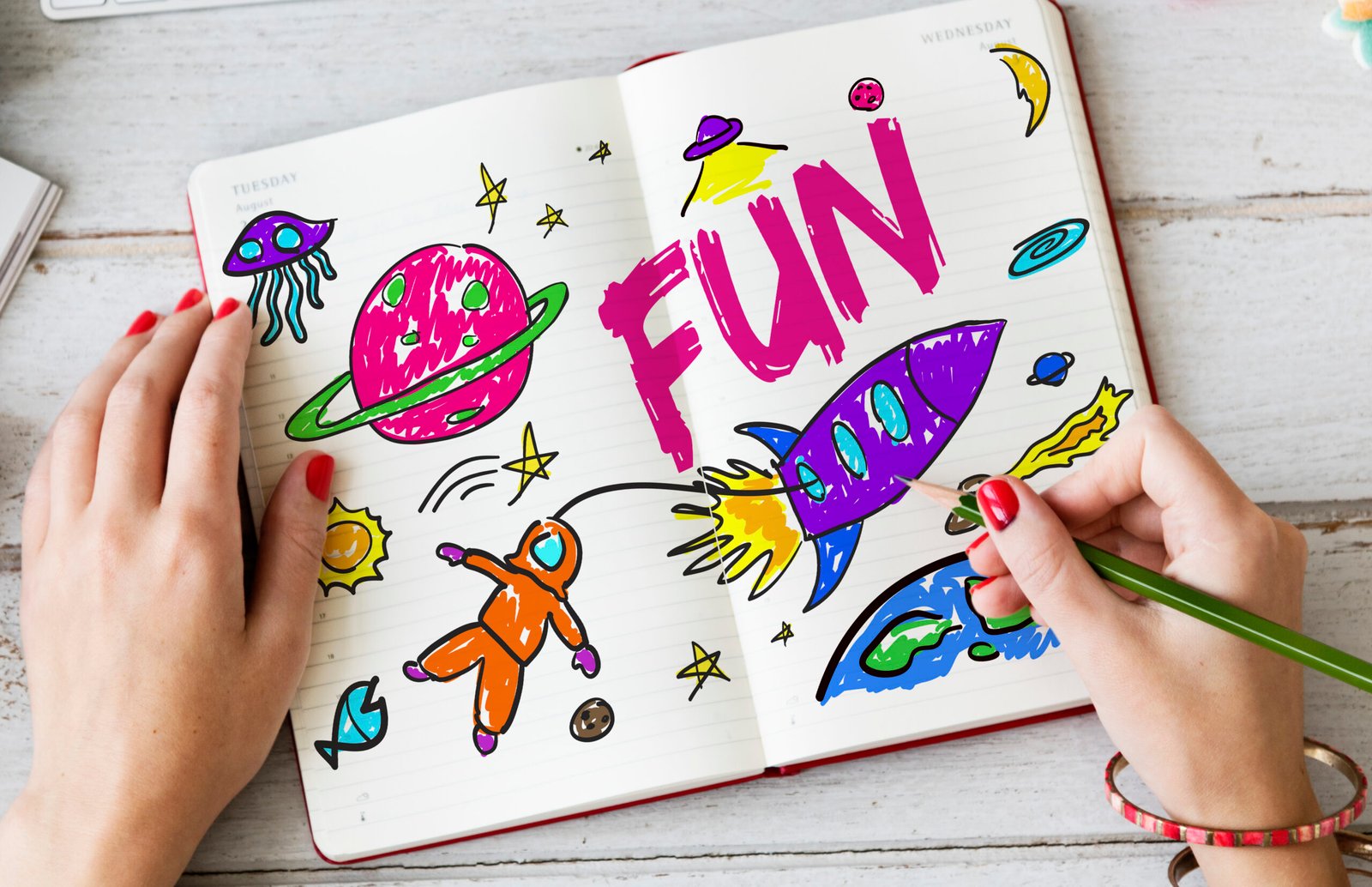
The Ultimate Guide to Simple Doodle Ideas for Beginners, Kids, and Creative Minds
Introduction
Have you ever found yourself absentmindedly drawing tiny flowers in the corner of your notebook, sketching smiling faces during a phone call, or filling empty spaces with stars, hearts, and swirls? If so, you’ve already experienced the joy of easy doodles. Doodling is one of the simplest and most enjoyable forms of creative expression. It requires no expensive supplies, no formal art training, and no pressure to create a masterpiece. A pen, pencil, marker, or digital stylus is enough to transform blank paper into something imaginative and uniquely yours.
Easy doodles have become increasingly popular among students, professionals, artists, and hobbyists because they combine relaxation with creativity. Many people use doodling to reduce stress, improve concentration, decorate journals, personalize planners, or simply pass the time in a productive way. What makes doodling special is its accessibility. Unlike detailed illustrations or realistic paintings, doodles celebrate simplicity, encouraging anyone to create fun designs using basic lines, circles, curves, and geometric shapes.
This comprehensive guide explores everything you need to know about easy doodles, from understanding what doodle art is to learning simple techniques, exploring creative themes, avoiding beginner mistakes, and discovering practical ways to use doodles in everyday life. Whether your goal is to improve your drawing skills, decorate a bullet journal, entertain your children, or simply enjoy a relaxing hobby, this guide will help you build confidence and creativity one sketch at a time.
What Are Easy Doodles
Easy doodles are simple drawings created quickly using basic shapes, lines, curves, and patterns. Unlike traditional artwork that often requires planning and technical skill, doodles are spontaneous and playful. They may represent recognizable objects like flowers, animals, food, or stars, or they may consist of abstract patterns, geometric designs, and decorative borders. The beauty of doodling lies in its freedom—there are no strict rules, and every sketch reflects the artist’s imagination.
Many people assume doodles are random scribbles with little value, but they can be surprisingly meaningful. Doodling encourages observation, strengthens hand-eye coordination, and develops artistic confidence without the pressure of perfection. Because easy doodles rely on simple forms, beginners can quickly create attractive drawings while gradually improving their artistic skills. Over time, these small sketches often become the foundation for more advanced illustrations and creative projects.
Why Easy Doodles Are So Popular
One reason easy doodles have gained worldwide popularity is their ability to combine creativity with relaxation. Drawing repetitive patterns or simple illustrations helps many people unwind after a busy day, making doodling a calming activity that requires minimal effort. Students often doodle while studying to stay engaged, while professionals decorate planners or meeting notes with creative icons and borders.
Social media has also contributed to the rise of doodle art. Platforms filled with sketchbook tours, bullet journal inspiration, and drawing tutorials have shown that artistic expression doesn’t need to be complicated. A few circles can become a smiling face, a handful of curved lines can create a flower, and a collection of dots can transform into an eye-catching pattern. This accessibility encourages people of all ages to pick up a pen and start drawing without fear of making mistakes.
Benefits of Drawing Easy Doodles
Easy doodling offers much more than entertainment. It encourages mindfulness by helping people focus on the present moment, making it a popular stress-relief activity. Many educators believe doodling can improve memory retention because it keeps the brain actively engaged during learning. Artists use doodles as creative warm-up exercises, while designers often develop ideas through quick sketches before starting larger projects.
Regular doodling also improves fine motor skills, increases visual awareness, and strengthens creative thinking. Because there are no strict rules, doodlers learn to experiment freely with shapes, patterns, textures, and compositions. This freedom often leads to greater artistic confidence, making it easier to explore more advanced forms of drawing in the future.
Essential Drawing Supplies
One of the greatest advantages of easy doodles is that they require very few materials. Beginners can start with an ordinary pencil and notebook, while experienced artists may choose fineliners, brush pens, markers, or digital tablets for greater creative flexibility.
| Supply | Purpose |
|---|---|
| Pencil | Sketching ideas |
| Eraser | Correcting mistakes |
| Fineliner Pen | Clean outlines |
| Marker | Bold illustrations |
| Colored Pencils | Adding color |
| Sketchbook | Practice and creativity |
| Digital Tablet | Digital doodling |
Expensive materials are not necessary. Consistent practice matters far more than premium tools.
Easy Doodle Ideas for Beginners
Starting with simple subjects builds confidence while teaching basic drawing techniques. Popular beginner doodles include hearts, stars, clouds, flowers, leaves, mushrooms, rainbows, smiling faces, coffee cups, books, balloons, suns, moons, and tiny houses. These subjects can be drawn using only circles, squares, triangles, and curved lines.
As confidence grows, beginners can combine individual doodles into themed pages featuring seasonal decorations, nature scenes, travel icons, or food illustrations. This gradual progression helps artists improve without becoming overwhelmed by complicated compositions.
Cute Easy Doodles to Draw
Cute doodles remain some of the most searched drawing ideas because they are simple, expressive, and enjoyable. Tiny animals with oversized eyes, smiling fruits, cartoon plants, sleeping clouds, cheerful stars, playful cats, and happy cups of coffee all make charming subjects. Adding small facial expressions instantly brings these illustrations to life and gives them personality.
Because cute doodles rely on exaggerated proportions rather than realistic anatomy, beginners can achieve satisfying results with minimal drawing experience.
Easy Doodles for Bullet Journals and Planners
Bullet journals have made doodling a practical everyday skill. Decorative headers, banners, arrows, seasonal icons, floral borders, weather symbols, and habit trackers make planners more organized while adding personality. Small doodles also help separate sections and highlight important information without overwhelming the page.
Many journal enthusiasts create monthly themes featuring flowers, travel, books, or holidays, allowing simple illustrations to transform ordinary planners into creative works of art.
Common Mistakes Beginners Should Avoid
Many new artists stop doodling because they compare their work to experienced illustrators. Perfectionism often becomes the biggest obstacle to creative growth. Other common mistakes include pressing too hard with the pencil, overcrowding the page, avoiding experimentation, and becoming discouraged by small imperfections.
The purpose of doodling is exploration, not perfection. Every sketch teaches something new, even when it doesn’t turn out exactly as expected. Consistent practice naturally improves line quality, composition, and creative confidence.
Tips for Improving Your Doodle Skills
Improvement comes through regular practice rather than artistic talent. Setting aside just ten to fifteen minutes each day can significantly enhance drawing ability over time. Practicing basic shapes, observing everyday objects, copying simple references for learning purposes, and experimenting with patterns all contribute to steady progress. Keeping a dedicated sketchbook allows artists to see their improvement while encouraging creative exploration without fear of mistakes.
Another effective strategy is combining several small doodles into themed pages instead of focusing on one large drawing. This approach develops composition skills while keeping the creative process enjoyable and manageable.
Conclusion
Easy doodles prove that creativity doesn’t require advanced artistic training or expensive materials. With nothing more than simple shapes, everyday inspiration, and a willingness to experiment, anyone can create charming drawings that brighten notebooks, journals, greeting cards, planners, and sketchbooks. Doodling encourages imagination, reduces stress, strengthens drawing skills, and reminds us that art can be fun rather than intimidating.
Whether you’re decorating a bullet journal, searching for relaxing hobbies, teaching children to draw, or simply looking for a creative way to spend your free time, easy doodles offer endless possibilities. Every line you draw builds confidence, every page develops your artistic voice, and every small sketch brings you one step closer to becoming a more creative and expressive artist. The best time to start doodling is now—pick up a pen, embrace imperfections, and let your imagination guide every stroke.
Frequently Asked Questions (FAQs)
1. What are easy doodles?
Easy doodles are simple, quick drawings made with basic shapes and lines that anyone can create regardless of artistic experience.
2. Can beginners learn doodling without drawing experience?
Yes. Doodling is one of the easiest forms of art because it focuses on creativity rather than perfection. Beginners can start with simple shapes and gradually develop more detailed illustrations.
3. What are the best things to doodle?
Popular doodles include flowers, hearts, stars, animals, food, coffee cups, clouds, leaves, books, rainbows, and decorative patterns.
4. Do I need expensive art supplies for doodling?
No. A pencil, pen, eraser, and notebook are enough to begin. Higher-quality tools can enhance your work, but they are not necessary for learning.
5. How can I improve my doodling skills?
Practice consistently, observe everyday objects, experiment with different themes, keep a sketchbook, and focus on enjoying the creative process instead of aiming for perfection.
Art
Negative Space: The Ultimate Guide to Understanding, Using, and Mastering Negative Space in Art and Design


Stay Together for the Kids: Is It Really Better for Children?

Were You There When They Crucified My Lord Lyrics: Meaning, History, and Biblical Message

How to Change Watch Battery: A Complete Step-by-Step Guide

MataRecycler: The Complete Guide to Smart Recycling, Sustainable Waste Management, and Environmental Innovation in 2026

Negative Space: The Ultimate Guide to Understanding, Using, and Mastering Negative Space in Art and Design

Merfez: The Complete Guide to Its Meaning, Uses, Benefits, and Modern Applications
 Business3 months ago
MataRecycler: The Complete Guide to Smart Recycling, Sustainable Waste Management, and Environmental Innovation in 2026
- Art3 months ago
Negative Space: The Ultimate Guide to Understanding, Using, and Mastering Negative Space in Art and Design
- technology3 months ago
Merfez: The Complete Guide to Its Meaning, Uses, Benefits, and Modern Applications
- Fashion3 months ago
Garret Barnes: The Untold Story of the Florida Attorney, Ultra Runner, and Pam Bondi’s Ex-Husband
- Entertainment3 months ago
The Heart of a Champion: Unveiling the Inspiring Story of Valerie Guiliani
- Sports3 months ago
Bowdoin Lacrosse: The Complete Guide to the Polar Bears Lacrosse Program
- Business3 months ago
Wepbound: The Complete Guide to Features, Benefits, Uses, and Future Trends (2026)
- Business3 months ago
Dezmall: The Complete Guide to Building Visibility, Audience Growth, and Long-Term Digital Success