Education
Best Fantasy Novels: The Ultimate Guide to Magical Adventures and Epic Stories


Introduction
Fantasy literature has inspired readers for generations by transporting them to extraordinary worlds filled with magic, legendary heroes, mythical creatures, and unforgettable adventures. Whether you enjoy sprawling kingdoms, ancient prophecies, enchanted forests, or complex political intrigue, the best fantasy novels combine imaginative world-building with compelling characters and emotionally engaging stories. The genre has evolved far beyond traditional tales of dragons and wizards, now encompassing epic fantasy, urban fantasy, historical fantasy, dark fantasy, and young adult adventures. This comprehensive guide explores what makes a fantasy novel exceptional, highlights many of the genre’s most influential books, explains different fantasy subgenres, and provides practical recommendations to help every reader find their next unforgettable adventure.
What Makes a Great Fantasy Novel?
The most memorable fantasy novels create immersive worlds that feel both imaginative and believable. Successful authors establish consistent magical systems, engaging cultures, complex histories, and meaningful conflicts while ensuring that readers care deeply about the characters. Although spectacular settings are important, emotional storytelling, character development, and well-structured plots ultimately determine whether a fantasy novel becomes a lasting favorite.
Strong fantasy stories balance wonder with relatable human experiences such as courage, friendship, sacrifice, loyalty, and personal growth.
Best Fantasy Novels of All Time
The following books are widely recognized for their influence, storytelling, and enduring popularity:
| Novel | Why It’s Highly Regarded |
|---|---|
| The Lord of the Rings | Epic world-building, rich mythology, and timeless storytelling. |
| The Hobbit | An accessible adventure that introduced generations of readers to Middle-earth. |
| A Game of Thrones | Complex political intrigue, morally nuanced characters, and expansive world-building. |
| The Name of the Wind | Beautiful prose, memorable characters, and a compelling coming-of-age story. |
| The Way of Kings | Intricate magic systems, large-scale storytelling, and deeply developed characters. |
| Mistborn: The Final Empire | Innovative magic, exciting heists, and fast-paced adventure. |
| The Eye of the World | A classic beginning to an expansive epic fantasy series. |
| Assassin’s Apprentice | Character-driven storytelling with emotional depth and political intrigue. |
| The Lies of Locke Lamora | Clever plotting, memorable dialogue, and thrilling criminal adventures. |
| The Lion, the Witch and the Wardrobe | A timeless fantasy classic filled with imagination and adventure. |
Fantasy Subgenres
Fantasy is a broad genre that includes many distinct styles:
Epic Fantasy
Large-scale stories involving kingdoms, wars, ancient prophecies, and world-changing conflicts.
High Fantasy
Stories set in entirely fictional worlds with unique cultures, languages, and magical systems.
Urban Fantasy
Fantasy elements integrated into contemporary cities and everyday life.
Dark Fantasy
Narratives blending fantasy with horror, moral ambiguity, and darker themes.
Historical Fantasy
Stories that combine historical settings with magical or supernatural elements.
Young Adult Fantasy
Adventures featuring younger protagonists, often emphasizing identity, friendship, and personal growth.
Why Fantasy Continues to Inspire Readers
Fantasy allows readers to explore universal themes through imaginative settings. Heroic journeys, difficult choices, and struggles between hope and fear resonate regardless of the fictional world in which they occur. The genre also encourages creativity by introducing entirely new cultures, mythologies, and systems of magic while reflecting real-world questions about courage, justice, power, and responsibility.
Its diversity means there is a fantasy novel for nearly every type of reader.
How to Choose the Right Fantasy Novel
When selecting your next read, consider whether you prefer character-focused stories, fast-paced adventures, intricate political conflicts, or detailed magical systems. Some readers enjoy standalone novels, while others prefer long-running series that allow deeper exploration of fictional worlds. Sampling different subgenres can also help you discover styles you might not have considered before.
Reading reviews and trying award-winning works can be an excellent way to begin exploring the genre.
Tips for New Fantasy Readers
If you are new to fantasy, start with books that balance imaginative settings with accessible storytelling. Keeping a list of favorite authors, exploring different subgenres, and reading complete series can help you discover the aspects of fantasy that appeal most to you. There is no single “correct” place to begin—the best choice is the one that matches your interests and reading preferences.
The Future of Fantasy Literature
Fantasy continues to evolve through diverse voices, innovative storytelling, and fresh perspectives inspired by cultures and mythologies from around the world. Contemporary authors are expanding the genre with original settings, inclusive casts, and inventive approaches to magic and world-building, ensuring that fantasy remains one of the most dynamic and popular categories in modern literature.
Conclusion
The best fantasy novels offer far more than magical creatures and epic battles—they invite readers into richly imagined worlds where courage, friendship, sacrifice, and hope shape unforgettable adventures. Whether you are drawn to classic epics, modern masterpieces, dark fantasy, or character-driven journeys, the genre provides endless opportunities for exploration and imagination. By experimenting with different authors, subgenres, and storytelling styles, every reader can discover fantasy books that become lifelong favorites. With new voices continuing to redefine the genre while honoring its timeless traditions, fantasy literature remains one of the most rewarding and inspiring forms of storytelling.
Frequently Asked Questions (FAQ)
1. What makes a fantasy novel great?
Great fantasy novels combine compelling characters, immersive world-building, consistent magical systems, meaningful themes, and engaging storytelling.
2. Which fantasy novel is best for beginners?
Many readers find The Hobbit to be an excellent starting point because of its approachable style and adventurous narrative.
3. What is the difference between epic fantasy and high fantasy?
Epic fantasy emphasizes large-scale conflicts and world-changing events, while high fantasy primarily refers to stories set in entirely fictional worlds. Many books belong to both categories.
4. Are fantasy novels only about magic?
No. While magic is common, fantasy also explores politics, mythology, history, relationships, adventure, philosophy, and personal growth.
5. Can adults enjoy fantasy novels?
Absolutely. Fantasy includes works written for readers of all ages, with many novels exploring mature themes and complex narratives.
6. Should I read standalone novels or series?
Both have advantages. Standalone novels provide complete stories in one book, while series allow deeper world-building and long-term character development.
7. Are modern fantasy novels different from classic fantasy?
Modern fantasy often features more diverse settings, characters, and storytelling techniques while continuing to build on the foundations established by classic works.
8. How can I discover new fantasy books?
Explore award winners, bestseller lists, library recommendations, book clubs, literary reviews, and works by both established and emerging fantasy authors.


Introduction
Gina DeJesus is known not only for surviving an extraordinary ordeal but also for transforming her experience into a mission of service and hope. Since returning home in 2013, she has dedicated much of her time to supporting families of missing children and adults, raising awareness about missing-person cases, and encouraging communities to work together in times of crisis. Rather than allowing tragedy to define her future, Gina has focused on advocacy, education, and helping others navigate some of life’s most difficult moments. Her story is one of resilience, determination, and compassion, inspiring people around the world while highlighting the importance of hope, community support, and perseverance.
Who Is Gina DeJesus?
Gina DeJesus is an American advocate for missing children and families. After being rescued in 2013 following years of captivity, she chose to focus on rebuilding her life while helping others affected by missing-person cases. Through public speaking, community outreach, and nonprofit work, she has become an important voice for awareness and victim support.
Early Life
Gina DeJesus grew up in Cleveland, Ohio, where she was surrounded by a close-knit family. Her early years reflected the experiences of many young students before her life changed dramatically as a teenager. The support of her family and community played a significant role in maintaining hope throughout the years she was missing, demonstrating the strength that families can provide even during prolonged uncertainty.
A Journey of Survival
After her rescue in May 2013, Gina DeJesus began the difficult process of rebuilding her life. Her recovery involved reconnecting with loved ones, adapting to life after years away, and gradually sharing her experiences in ways that could encourage and support others. While her story is widely known, her lasting legacy is increasingly defined by the positive work she has undertaken rather than the crime she survived.
Advocacy and Community Service
One of Gina DeJesus‘s most meaningful contributions has been her work supporting families of missing children and adults. She helped establish the Cleveland Family Center for Missing Children and Adults, an organization that offers guidance, resources, and emotional support to families facing the uncertainty of a missing loved one. By drawing on her own experiences, she provides understanding and encouragement while helping communities strengthen awareness about missing-person cases.
Public Speaking and Awareness
Gina frequently participates in community events, conferences, and educational programs that emphasize child safety, missing-person awareness, and hope for families. Her presentations focus on resilience, recovery, and the importance of supporting those facing unimaginable challenges. Through these efforts, she continues to encourage collaboration among families, law enforcement, volunteers, and community organizations.
Memoir and Personal Reflections
Gina DeJesus co-authored the memoir Hope: A Memoir of Survival in Cleveland, which reflects on survival, healing, and rebuilding life after captivity. The book emphasizes resilience and the support of family and community while offering readers insight into the long process of recovery.
Lessons from Gina DeJesus’s Story
Gina’s journey demonstrates the value of perseverance, compassion, and community involvement. Her advocacy reminds people that recovery is possible, that hope can endure even during prolonged hardship, and that supporting families affected by missing-person cases is an important responsibility shared by society. Rather than being defined solely by past events, she has chosen to dedicate her life to helping others move forward.
Why Her Story Continues to Inspire
People around the world continue to be inspired by Gina DeJesus because of her determination to create positive change after experiencing extraordinary adversity. Her work highlights resilience, empathy, and service while encouraging communities to remain engaged in protecting children, supporting families, and assisting efforts to locate missing individuals.
Conclusion
Gina DeJesus has transformed personal tragedy into meaningful public service. Through advocacy, education, nonprofit leadership, and community outreach, she has become a symbol of resilience and hope for families affected by missing-person cases. Her story reminds us that healing is a gradual process supported by family, community, and compassion, and that one person’s commitment to helping others can inspire lasting positive change. As her advocacy continues, Gina DeJesus remains an important voice for awareness, recovery, and hope.
Frequently Asked Questions (FAQ)
1. Who is Gina DeJesus?
Gina DeJesus is an American advocate for missing children and families who became widely known after being rescued in 2013 and has since dedicated herself to community service.
2. What is Gina DeJesus known for today?
She is known for supporting missing-person awareness, public education, and helping families through the Cleveland Family Center for Missing Children and Adults.
3. Has Gina DeJesus written a book?
Yes. She co-authored Hope: A Memoir of Survival in Cleveland, which focuses on survival, healing, and recovery.
4. What organization is Gina DeJesus involved with?
She helped establish the Cleveland Family Center for Missing Children and Adults to support families experiencing missing-person cases.
5. Why is Gina DeJesus considered inspirational?
Her resilience, commitment to helping others, and advocacy for missing families have inspired many people around the world.
6. What topics does Gina DeJesus speak about?
She speaks about hope, resilience, missing-person awareness, recovery, and the importance of community support.
7. What can readers learn from her story?
Her journey highlights perseverance, compassion, and the importance of supporting families affected by missing-person cases.
8. Why is missing-person awareness important?
Awareness can encourage timely reporting, community involvement, and stronger support systems for families while helping organizations coordinate search and recovery efforts.
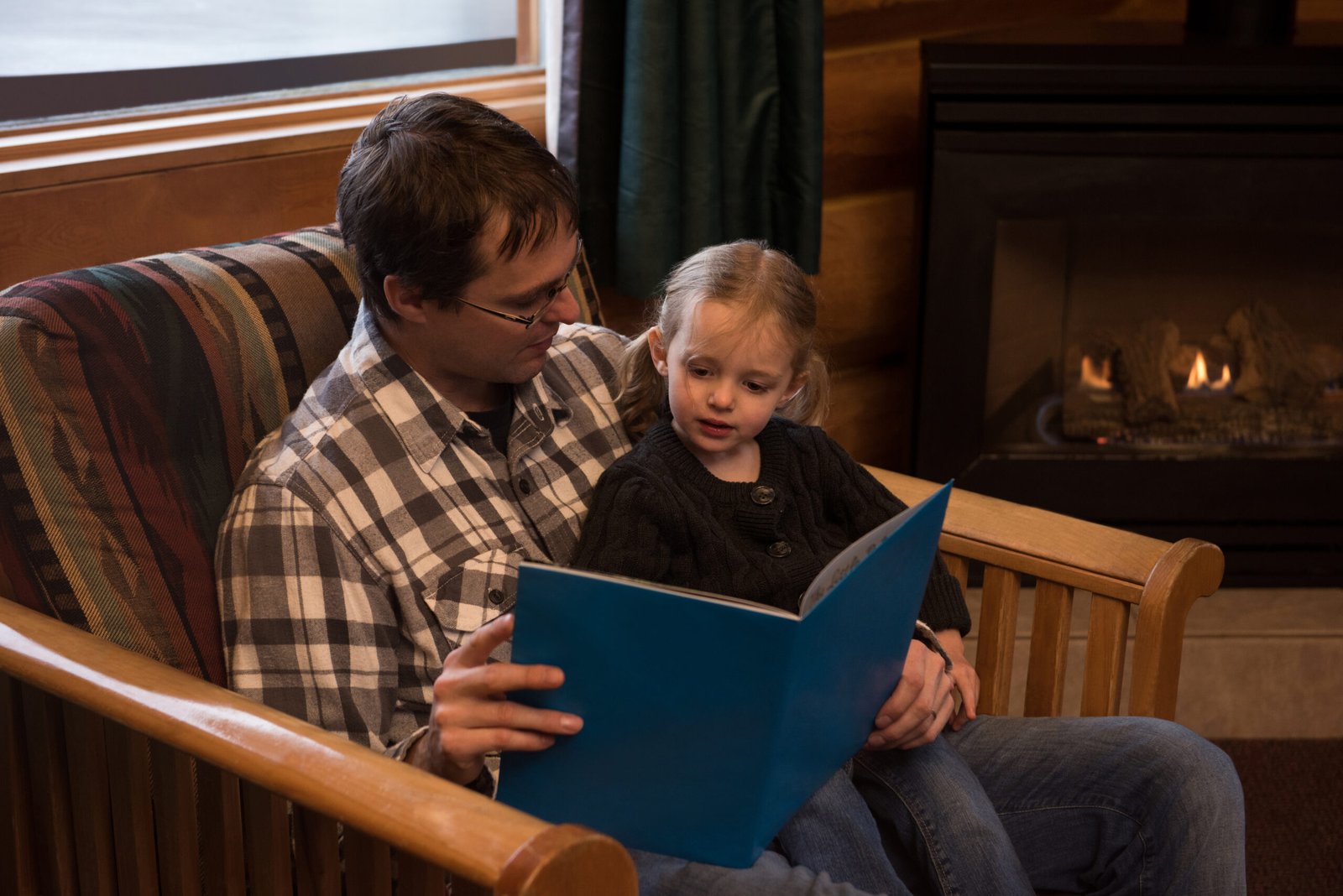
Introduction
Dory Fantasmagory is a beloved children’s chapter book series written by Abby Hanlon. The stories follow the imaginative adventures of Dory, a creative and energetic young girl whose vivid imagination often transforms ordinary moments into exciting adventures. Filled with humor, family relationships, friendship, and playful storytelling, the series has become a favorite among beginning independent readers, parents, teachers, and librarians. The engaging illustrations, relatable situations, and entertaining characters make the books enjoyable for both children reading independently and families sharing stories together. This comprehensive guide explores everything you need to know about Dory Fantasmagory, including the books in order, memorable characters, themes, educational benefits, reading level, and why the series continues to inspire young readers around the world.
What Is Dory Fantasmagory
Dory Fantasmagory is an illustrated chapter book series that centers on Dory, the youngest member of her family. While her older siblings have begun leaving imaginative games behind, Dory embraces creativity with enthusiasm, inventing imaginary friends, humorous adventures, and exciting scenarios that blur the line between reality and fantasy. Her imagination becomes both a source of comedy and a way to solve problems, making the stories entertaining while encouraging creative thinking.
The books balance humor with relatable family experiences, helping young readers connect with Dory’s curiosity and optimism.
About the Author
The series was created by Abby Hanlon, who is both the author and illustrator. Her experience creating stories for children is reflected in the books’ expressive illustrations, natural dialogue, and understanding of how young children think and imagine. By combining engaging artwork with accessible writing, Hanlon created a series that appeals to emerging readers while also entertaining adults reading aloud.
Dory Fantasmagory Books in Order
The main books in the series include:
- Dory Fantasmagory
- Dory and the Real True Friend
- Dory Dory Black Sheep
- Head in the Clouds
- True Friend (Readers should check the latest publisher information for the complete series order and any newer releases.)
Reading the books in publication order allows children to follow Dory’s growth and relationships as the series develops.
Main Characters
Dory
Dory is imaginative, energetic, and endlessly curious. Her creative thinking drives the stories and encourages readers to appreciate imagination as a positive quality.
Family Members
Dory’s older siblings often provide humorous contrasts to her playful personality, while her parents offer support and guidance throughout the series.
Imaginary Characters
Many of Dory’s adventures include imaginary friends and playful creations that add excitement, humor, and creativity to the narrative.
Themes in the Series
The books explore friendship, imagination, family relationships, confidence, problem-solving, creativity, empathy, and growing independence. Although the stories are humorous, they also encourage emotional development by showing how children navigate relationships, misunderstandings, and new experiences.
These universal themes help young readers relate to Dory’s adventures while learning valuable social and emotional skills.
Reading Level
Dory Fantasmagory is generally considered suitable for children transitioning from beginner readers to longer chapter books. The combination of illustrations, manageable chapter lengths, and accessible language supports developing reading confidence while maintaining engagement through humor and adventure.
Parents and teachers often appreciate the series because it encourages independent reading without overwhelming new readers.
Educational Benefits
The series promotes reading comprehension, vocabulary development, creative thinking, and emotional intelligence. Teachers frequently use chapter books like Dory Fantasmagory to encourage classroom discussions about imagination, friendship, communication, and problem-solving. The books also provide opportunities for read-aloud activities that strengthen literacy skills while making reading enjoyable.
Why Children Love Dory Fantasmagory
Young readers often connect with Dory because she approaches everyday situations with enthusiasm and imagination. Her adventures transform ordinary experiences into memorable stories, reminding children that creativity can make even familiar moments exciting. The humor, expressive illustrations, and relatable family interactions contribute to the series’ enduring popularity.
Tips for Parents and Teachers
Parents and educators can enhance the reading experience by encouraging children to discuss Dory’s decisions, imagine alternative story endings, create their own fictional characters, or draw scenes inspired by the books. These activities support literacy, creativity, and communication while making reading an interactive experience.
Conclusion
Dory Fantasmagory has earned its place as a favorite among young readers through its imaginative storytelling, memorable characters, gentle humor, and engaging illustrations. By celebrating creativity, curiosity, friendship, and family, the series encourages children to enjoy reading while developing important literacy and social skills. Whether shared during family reading time, enjoyed independently, or introduced in classrooms, Dory Fantasmagory continues to inspire confidence, imagination, and a lifelong love of books.
Frequently Asked Questions (FAQ)
1. What is Dory Fantasmagory?
Dory Fantasmagory is a children’s illustrated chapter book series written and illustrated by Abby Hanlon.
2. Who is the main character?
The main character is Dory, a creative young girl with an extraordinary imagination.
3. What age group is the series suitable for?
The books are generally appropriate for young readers transitioning to chapter books, though parents and educators should choose books based on each child’s reading level and interests.
4. What themes does the series explore?
The stories focus on imagination, friendship, family, creativity, confidence, empathy, and personal growth.
5. Why is Dory Fantasmagory popular?
Its humor, relatable characters, engaging illustrations, and imaginative storytelling make it enjoyable for children, parents, and teachers alike.
6. Can the books be used in classrooms?
Yes. The series is frequently used to support literacy, reading comprehension, creative thinking, and classroom discussions.
7. Should the books be read in order?
Reading in publication order helps readers follow character development and recurring relationships, although many books can also be enjoyed individually.
8. What skills can children develop by reading the series?
Children can strengthen reading fluency, vocabulary, comprehension, creativity, emotional awareness, and communication skills.

Stay Together for the Kids: Is It Really Better for Children?

Were You There When They Crucified My Lord Lyrics: Meaning, History, and Biblical Message

How to Change Watch Battery: A Complete Step-by-Step Guide

MataRecycler: The Complete Guide to Smart Recycling, Sustainable Waste Management, and Environmental Innovation in 2026

Negative Space: The Ultimate Guide to Understanding, Using, and Mastering Negative Space in Art and Design

Merfez: The Complete Guide to Its Meaning, Uses, Benefits, and Modern Applications
 Business3 months ago
MataRecycler: The Complete Guide to Smart Recycling, Sustainable Waste Management, and Environmental Innovation in 2026
- Art3 months ago
Negative Space: The Ultimate Guide to Understanding, Using, and Mastering Negative Space in Art and Design
- technology3 months ago
Merfez: The Complete Guide to Its Meaning, Uses, Benefits, and Modern Applications
- Fashion3 months ago
Garret Barnes: The Untold Story of the Florida Attorney, Ultra Runner, and Pam Bondi’s Ex-Husband
- Entertainment3 months ago
The Heart of a Champion: Unveiling the Inspiring Story of Valerie Guiliani
- Sports3 months ago
Bowdoin Lacrosse: The Complete Guide to the Polar Bears Lacrosse Program
- Business3 months ago
Wepbound: The Complete Guide to Features, Benefits, Uses, and Future Trends (2026)
- Business3 months ago
Dezmall: The Complete Guide to Building Visibility, Audience Growth, and Long-Term Digital Success