food
Cevurı: Meaning, Origins, Cultural Significance, and Why It Is Trending in 2026


What Does Cevurı Mean
The growing popularity of Cevurı has sparked curiosity among internet users worldwide. Unlike established dictionary words, Cevurı currently lacks an official definition, which explains why search engines display different explanations depending on the source. Some articles describe it as a digital-age expression representing transformation or cultural identity, while others identify it as a stylized version of the Turkish word “çeviri,” meaning translation. A few websites even present Cevurı as the name of a traditional Turkish dish. These differing interpretations highlight an important point: the meaning of Cevurı depends heavily on context rather than a universally accepted definition.
Why the Meaning Is Confusing
The confusion exists because there is no authoritative linguistic or academic source that defines Cevurı. Most references appear on blogs and informational websites rather than in dictionaries or scholarly publications. As a result, readers should interpret the word carefully and consider the context in which it is used.
Different Interpretations Found Online
| Interpretation | Current Evidence |
|---|---|
| Variant of Turkish “çeviri” (translation) | Strong |
| Digital brand or online concept | Moderate |
| Cultural identity term | Moderate |
| Traditional Turkish dish | Mentioned by several blogs but not widely verified |
The Linguistic Origins of Cevurı
One of the strongest explanations links Cevurı to the Turkish word “çeviri,” which translates to “translation” in English. Because many keyboards outside Türkiye lack the special Turkish character ç, users often replace it with the standard letter c. Other spelling differences may arise from typing errors, transliteration, or branding choices. This makes Cevurı a common alternative spelling that appears in online searches, even though “çeviri” remains the correct Turkish word.
Connection to “Çeviri”
The Turkish verb “çevirmek” means “to turn” or “to convert.” From this verb comes “çeviri,” referring to the conversion of text or speech from one language into another. Many experts believe that Cevurı emerged because users typed a simplified or altered version of the original word.
Keyboard and Transliteration Differences
Typing in Turkish can be difficult on non-Turkish keyboards. Missing characters, automatic corrections, and search engine suggestions often create alternative spellings that spread online. This explains why many users search for Cevurı instead of çeviri.
Cevurı as a Digital Trend
Another reason Cevurı has become popular is its use as a distinctive digital keyword. Bloggers, startups, and content creators increasingly adopt unique words that are memorable and easy to brand. Since Cevurı has no fixed commercial meaning, it provides flexibility for websites, creative projects, and digital products. This trend mirrors the broader internet practice of inventing new words that gradually gain meaning through repeated use.
Social Media Popularity
Social media platforms encourage the rapid spread of unusual words. Users searching for fresh usernames, project titles, or hashtags often choose distinctive terms such as Cevurı, helping increase its visibility online.
Branding Opportunities
Businesses value unique names because they are easier to remember and often have greater availability as website domains or trademarks. Cevurı fits this trend, making it attractive for entrepreneurs and digital creators.
Cevurı as a Cultural Concept
Some writers describe Cevurı as representing identity, heritage, resilience, and belonging. Although this interpretation is not universally accepted, it reflects a growing tendency to assign symbolic meaning to emerging digital terms. In these discussions, Cevurı becomes more than a word—it becomes a way of expressing personal history, cultural pride, or ongoing transformation.
Identity and Heritage
Several online discussions present Cevurı as a symbol of shared cultural experiences rather than a literal object or activity. These interpretations emphasize community, tradition, and the preservation of heritage.
Modern Cultural Expression
As internet language evolves, many new expressions gain popularity before receiving formal definitions. Cevurı appears to be following this path, with its meaning shaped primarily by how people use it rather than by dictionaries.
Cevurı as a Traditional Turkish Dish
A number of recent lifestyle and food blogs describe Cevurı as a traditional Turkish meal prepared with slow-cooked meat, vegetables, grains, and aromatic spices. According to these sources, the dish symbolizes hospitality, family gatherings, and Anatolian culinary traditions. However, this description is currently supported mainly by blog articles rather than widely recognized culinary references, so readers should treat it as a reported interpretation rather than an established fact.
Common Ingredients
| Ingredient | Purpose |
|---|---|
| Lamb or Chicken | Protein |
| Tomatoes | Flavor |
| Peppers | Freshness |
| Bulgur or Rice | Energy |
| Herbs and Spices | Aroma |
Cultural Importance
Food traditions often preserve history through recipes passed between generations. Whether or not Cevurı is widely recognized across Türkiye, the sources describing it emphasize community, hospitality, and regional cooking practices.
Benefits of Understanding Cevurı
Learning about Cevurı demonstrates how language evolves in the digital age. A single term can represent translation, branding, culture, or cuisine depending on the audience using it. Understanding these multiple meanings improves cultural awareness and helps readers evaluate online information critically.
Language Learning
Recognizing the connection between Cevurı and çeviri can help learners understand Turkish spelling conventions and common transliteration issues.
Cultural Awareness
Exploring different interpretations encourages readers to appreciate the diversity of online language and the ways communities create new meanings over time.
Future of the Term
The future of Cevurı will depend on how consistently people use it. If creators, businesses, or communities adopt a shared meaning, the term may eventually become more standardized. If not, it is likely to remain a flexible internet expression with multiple interpretations. As digital communication continues to evolve, words like Cevurı illustrate how quickly language can change in response to technology and online culture.
Conclusion
Cevurı is an emerging internet term whose meaning varies depending on context. Current online sources connect it to the Turkish word “çeviri” (translation), while others describe it as a cultural identity concept, a branding term, or even a traditional Turkish dish. Because no official dictionary definition exists, readers should evaluate each interpretation carefully and consider the credibility of the source. The growing interest in Cevurı reflects the dynamic nature of modern language, where new words can gain attention long before they become formally recognized.
Frequently Asked Questions
1. Is Cevurı an official dictionary word?
No. Current evidence indicates that Cevurı is not officially listed in major dictionaries.
2. Is Cevurı the same as “çeviri”?
Not exactly. Many sources believe Cevurı is a variation or misspelling of the Turkish word “çeviri,” which means translation.
3. Is Cevurı a traditional Turkish dish?
Some recent blogs describe it as one, but this claim is not yet supported by widely recognized culinary references.
4. Why is Cevurı becoming popular online?
Its uniqueness, flexible meaning, and potential use in branding and digital culture have contributed to its growing visibility.
5. Can businesses use Cevurı as a brand name?
Yes. Since the term has no universally established commercial meaning, it may appeal to businesses seeking a distinctive brand identity.

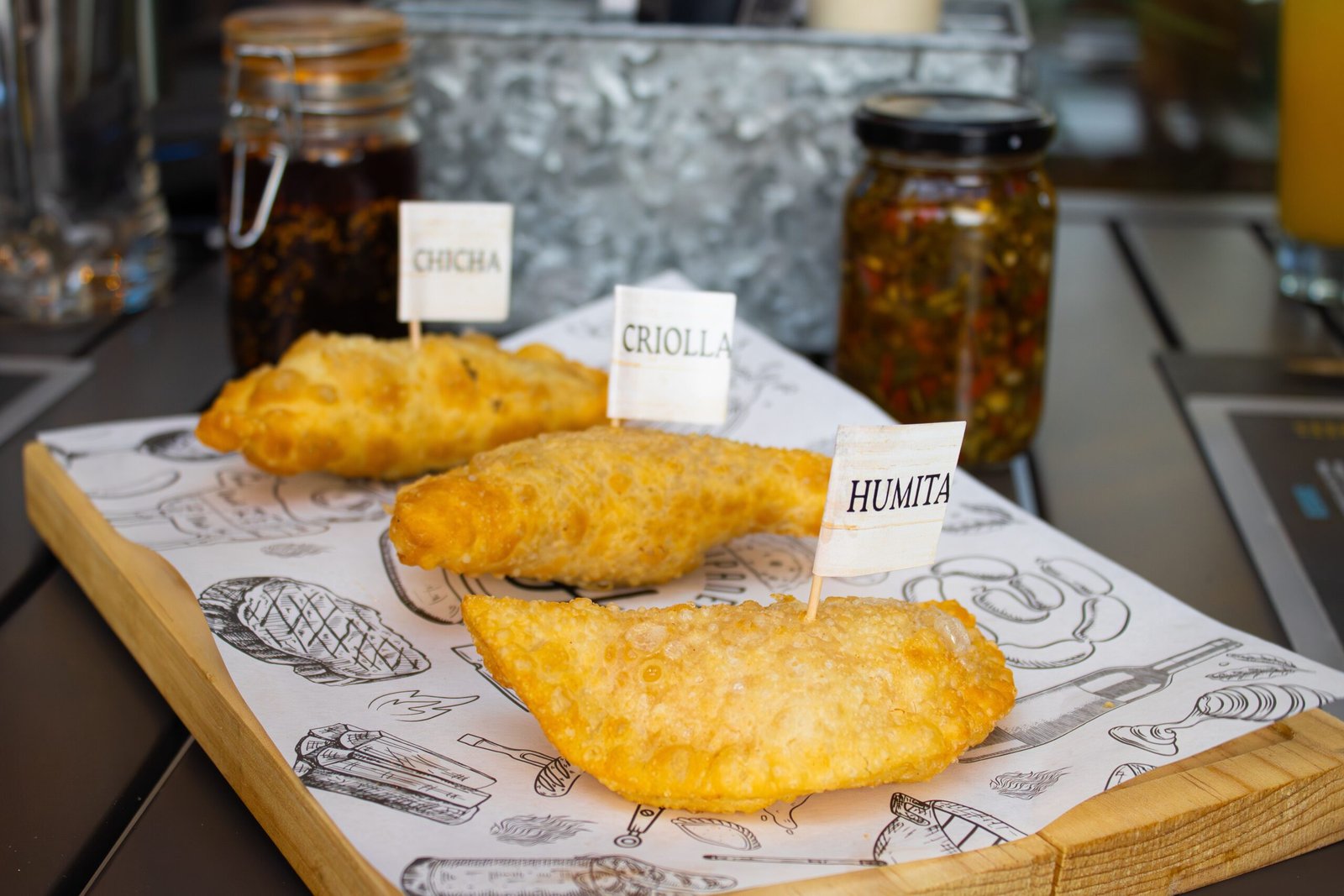
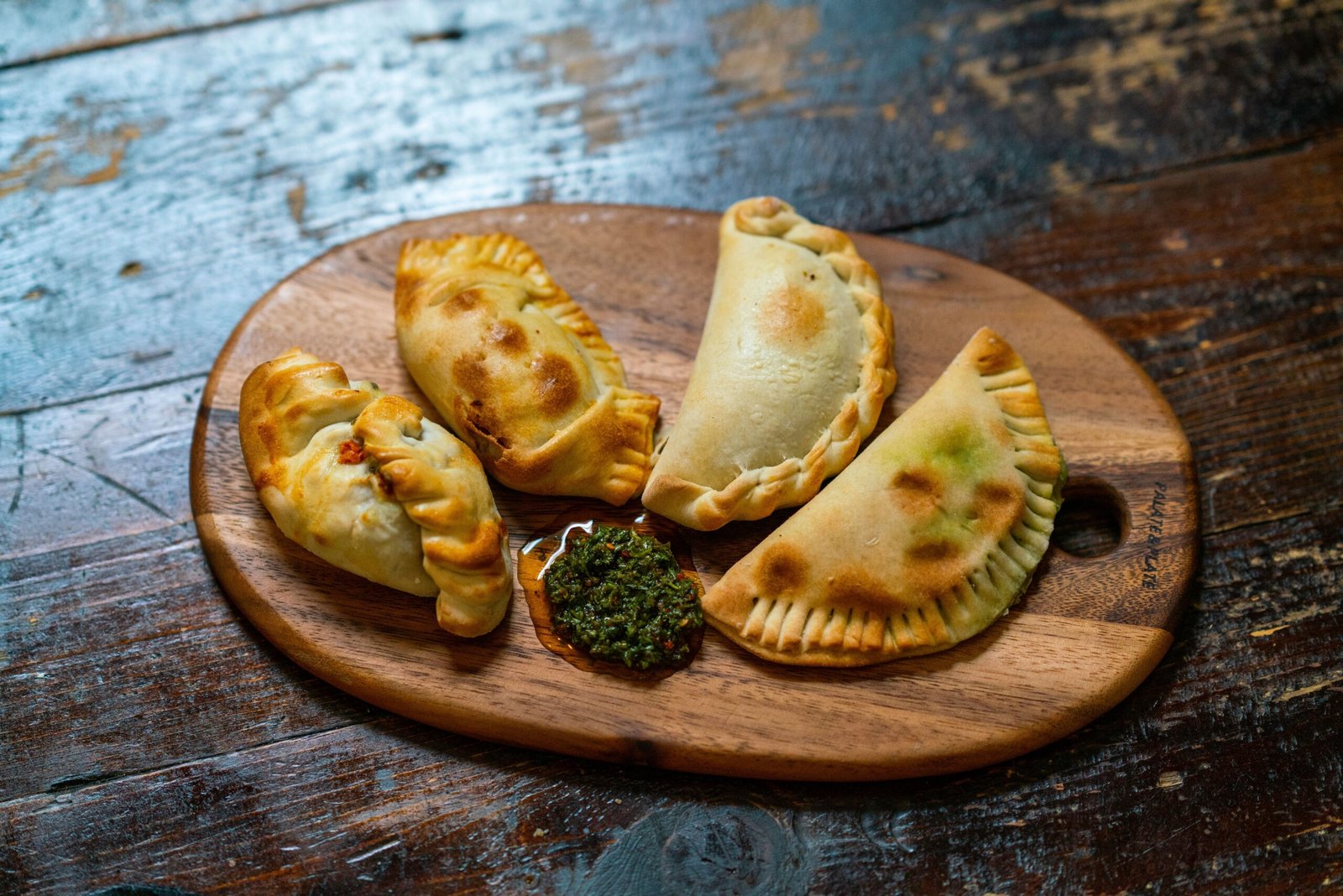
Searching for the best empanada de espinaca near me usually means you are looking for more than just any empanada. You want one with a flavorful spinach filling, a properly cooked crust, and the kind of fresh taste that makes the search worthwhile. Empanada de espinaca, or spinach empanada, is a popular variation of the traditional filled pastry and can be prepared in several different ways depending on the restaurant, bakery, café, or specialty food shop. Some versions are baked until the exterior becomes golden and crisp, while others are fried for a richer and crunchier texture. The filling may combine spinach with cheese, onion, garlic, herbs, spices, or other vegetables, creating a savory snack that works well for breakfast, lunch, an afternoon bite, or a light dinner. For someone searching locally, the challenge is not simply finding a place that sells empanadas but identifying the location that offers the right combination of freshness, filling quality, crust texture, flavor, price, and convenience.
The phrase “best empanada de espinaca near me” also has strong local-search intent. People using this search are typically looking for a nearby option rather than a general explanation of empanadas. Search engines consider factors such as location, business information, reviews, relevance, opening hours, and available food categories when presenting local results. That means the best result for one person may not be the best result for someone in another neighborhood or city. In Faisalabad, for example, local restaurant and bakery listings include a wide range of food businesses, but a listing should not automatically be treated as proof that a particular business currently sells spinach empanadas. Local menus can change, and specialty items may be available only on certain days. Therefore, checking the current menu or contacting the business before traveling is a smart step when specifically looking for an empanada de espinaca.
What Is an Empanada de Espinaca?
An empanada de espinaca is a savory pastry filled primarily with spinach. The word “empanada” generally refers to a filled dough or pastry, and recipes vary considerably between countries, regions, bakeries, and individual cooks. A spinach version replaces or complements traditional meat fillings with seasoned leafy greens, often creating a lighter but still satisfying option. One of the reasons spinach empanadas are appealing is their versatility. The spinach can be combined with ingredients such as cheese, onion, garlic, herbs, mushrooms, peppers, or other vegetables, allowing each establishment to create its own interpretation. Some cooks prefer a creamy filling, while others keep the spinach mixture relatively dry so that the pastry remains crisp and does not become soggy.
The quality of an empanada de espinaca depends heavily on the relationship between the filling and pastry. A good filling should be flavorful without releasing excessive moisture into the dough. Spinach naturally contains a significant amount of water, so preparation matters. If the spinach is not properly cooked and drained, the moisture can make the pastry soft or wet. On the other hand, spinach that has been overcooked can lose its fresh flavor and become dull in texture. The best versions generally balance savory seasoning, spinach, and any additional ingredients while allowing the pastry to retain its structure. When searching for the best spinach empanadas near me, paying attention to these details can help distinguish an excellent empanada from an ordinary one.
How to Find the Best Empanada de Espinaca Near Me
The easiest way to begin your search for the best empanada de espinaca near me is to use a local search engine or map application and try several related phrases rather than relying on one exact query. Search for “empanada de espinaca near me,” “spinach empanada near me,” “vegetarian empanadas near me,” “empanadas nearby,” and “fresh empanadas near me.” Different businesses may describe the same product differently, so searching multiple variations can uncover restaurants, bakeries, cafés, specialty food shops, and delivery listings that might not appear for a single keyword. Once you find potential options, examine the business profile, current menu, customer reviews, photographs, opening hours, and recent comments. A business that specializes in pastries may be a better match than a general restaurant, but a restaurant with a strong reputation for Latin American or international food may also offer an excellent version.
Local search is particularly important for a keyword containing “near me.” A page can be highly informative about empanadas while still failing to satisfy the user if it does not help them find a practical nearby option. If you are searching in Faisalabad, for example, current local listings include businesses such as Super Ideal Sweets & Bakers and other bakeries and restaurants, but you should verify whether the specific spinach empanada is actually available before placing an order. Local restaurant directories can also contain broader restaurant rankings, although those rankings do not necessarily indicate that a restaurant sells the exact dish you want.
What Makes the Best Spinach Empanada?
The first thing to evaluate is the pastry crust. A great empanada should have a crust that complements the filling instead of overpowering it. Depending on the cooking method, the exterior may be flaky, crisp, tender, or slightly chewy, but it should generally hold the filling securely without becoming excessively greasy or soggy. A baked empanada should have an appealing golden exterior and enough structure to survive handling, while a fried version should ideally have a crisp shell without feeling excessively oily. When you cut or bite into the pastry, the dough should not completely dominate the experience. The crust and filling need to work together, creating a satisfying contrast between the cooked exterior and savory spinach center.
The spinach filling is equally important. Freshness, seasoning, moisture, and texture can make a major difference. A high-quality spinach filling should taste savory and balanced rather than bland or overwhelmingly salty. If cheese is included, it should complement the spinach instead of completely hiding its flavor. Onion and garlic can add depth, while herbs and spices can give the filling a distinctive character. Another important factor is moisture. A filling that is excessively wet can turn a crisp pastry into a soft one, while a filling that is too dry may feel unpleasant and crumbly. The ideal filling should be moist enough to remain flavorful but controlled enough to preserve the pastry’s texture.
Baked vs. Fried Empanada de Espinaca
One of the biggest choices when looking for the best empanada de espinaca near me is whether you prefer a baked or fried version. Baked empanadas are generally appreciated by people who want a lighter-feeling pastry with a golden exterior and a more delicate crust. The baking process can allow the dough to develop a pleasant toasted flavor while keeping the filling relatively clean and savory. Fried empanadas, by comparison, often have a more pronounced crunch and a richer taste because the dough is cooked directly in hot oil. Neither method is automatically better; the ideal choice depends on personal preference and how well the establishment executes its cooking method.
If you enjoy crispy food and want a stronger contrast between the crust and filling, a freshly fried spinach empanada may be appealing. If you prefer a pastry that feels less heavy and allows the spinach and cheese filling to stand out, a baked version may be a better choice. Freshness matters in both cases. Even a well-prepared empanada can lose some of its appeal if it has been sitting for a long time. For that reason, asking whether the empanadas are made fresh or reheated can be useful when ordering from an unfamiliar location.
What Ingredients Should You Expect?
The ingredients in an empanada de espinaca can vary widely, which is part of what makes the dish interesting. Spinach is normally the central ingredient, but the supporting ingredients can determine the overall flavor profile. Cheese is a common pairing because its creamy, salty character works naturally with leafy greens. Onion and garlic can provide a savory base, while herbs and spices can make the filling more aromatic. Some versions may include mushrooms, peppers, corn, or other vegetables, while others keep the recipe simple and focus almost entirely on spinach and cheese.
If you have dietary preferences or allergies, it is important to check the ingredients before ordering. A spinach empanada may sound vegetarian, but recipes vary and some establishments may use ingredients that are not obvious from the menu description. The pastry itself can also contain dairy, eggs, or other ingredients depending on the recipe. If you need a vegetarian, vegan, halal, dairy-free, or gluten-free option, ask the restaurant or bakery directly rather than relying only on the product name.
How Reviews Can Help You Choose
Customer reviews can be useful when searching for the best empanada de espinaca near me, but they should be interpreted carefully. A restaurant can have excellent overall ratings while not offering the particular dish you want, and a customer may praise the atmosphere or service without discussing the empanadas. Look specifically for recent reviews that mention the food you are considering. Photos uploaded by customers can also provide useful clues about the pastry’s appearance, filling ratio, portion size, and presentation.
It is also helpful to consider how recent the information is. Menus, prices, opening hours, and available dishes can change, so an old review may not accurately describe the current experience. Local directories can provide useful background information, but direct confirmation from the establishment is the safest approach when a specific menu item is essential to your search. For example, current Faisalabad listings show many restaurants and bakeries with customer ratings and menu information, but that does not necessarily confirm the availability of spinach empanadas.
Price, Portion Size, and Value
Finding the best empanada de espinaca near me does not necessarily mean finding the cheapest one. Value is a combination of portion size, ingredient quality, freshness, flavor, preparation, and price. A slightly more expensive empanada may provide better ingredients, a more generous filling, or a freshly prepared pastry, making it more satisfying than a cheaper alternative. At the same time, an expensive product is not automatically better, so price should be considered alongside customer feedback and food quality.
When comparing different places, look at the cost per item as well as whether the business sells individual empanadas or packages. If you are ordering for a group, a larger box may offer better value. If you are simply trying an empanada for the first time, ordering one before purchasing several can help you determine whether you like the crust and filling style. This approach is especially useful when comparing bakeries or restaurants with different recipes.
Ordering an Empanada de Espinaca for Delivery
Delivery can be convenient when you want an empanada de espinaca near me without leaving home, but the delivery experience can affect pastry quality. Crispy foods can soften inside closed packaging because steam becomes trapped after cooking. A restaurant that prepares the empanada immediately before dispatch may provide a better result than one that holds cooked products for an extended period. If delivery is your preferred option, check whether the business offers the item through a delivery platform and whether customers mention packaging or freshness in their reviews.
When ordering online, carefully read the product description. A listing may say “vegetable empanada,” “spinach pastry,” or “spinach and cheese pastry” rather than using the exact Spanish phrase empanada de espinaca. Looking at photographs and ingredient descriptions can help you determine whether the item matches what you want. If the description is unclear, contacting the restaurant before ordering can prevent disappointment.
Best Places to Look for Spinach Empanadas
Depending on your city, the best places to search may include Latin American restaurants, Argentine restaurants, Spanish-inspired cafés, bakeries, specialty pastry shops, international food businesses, and restaurants with extensive vegetarian menus. Local bakeries can sometimes be particularly useful because they already specialize in baked dough products and may prepare savory pastries throughout the day. Restaurants with international menus may also offer empanadas as appetizers, snacks, or vegetarian options.
In Faisalabad, local restaurant listings demonstrate that there are numerous food businesses to explore, although availability of a particular international pastry should always be confirmed directly. For instance, local listings identify bakeries such as Super Ideal Sweets & Bakers, while broader restaurant directories provide many other food options throughout the city. The key is to search for the exact dish rather than assuming that every bakery or restaurant with pastries will carry spinach empanadas.
Questions to Ask Before Ordering
If you have found a restaurant that appears to offer an empanada de espinaca, a few simple questions can help you make a better decision. Ask whether the empanada contains spinach only or spinach and cheese, whether it is baked or fried, whether it is made fresh, and whether it is currently available. If you have dietary restrictions, ask about the pastry ingredients as well as the filling. You can also ask whether the item is spicy, particularly if you prefer a mild spinach filling.
These questions are especially useful when searching online because restaurant menus are not always updated immediately. A dish may have been listed previously but removed from the current menu, or it may only be available during certain hours. Confirming availability before traveling is therefore a simple way to save time and avoid disappointment.
Why Empanada de Espinaca Is Worth Trying
Empanada de espinaca offers an appealing alternative to traditional meat-filled empanadas because it combines the comfort of a savory pastry with the distinctive flavor of spinach. It can be filling without necessarily feeling as heavy as some meat-based versions, particularly when baked and paired with a fresh salad or light side dish. The addition of cheese, herbs, garlic, or onion can make the filling even more flavorful, while the pastry provides the satisfying texture that makes empanadas so popular.
For vegetarians and anyone simply looking to try something different, a spinach empanada can be an excellent choice. The dish is also versatile enough to work at different times of day. It can serve as a quick breakfast, an afternoon snack, a light lunch, or part of a larger meal. Once you find a bakery or restaurant that prepares a version you enjoy, it can become an easy local favorite.
Tips for Finding the Best Empanada de Espinaca Near You
Start by searching several variations of the keyword rather than using only one phrase. Try “best empanada de espinaca near me,” “empanada de espinaca near me,” “best spinach empanadas near me,” “spinach empanada nearby,” and “vegetarian empanadas near me.” Then compare the businesses that appear. Pay attention to recent reviews, customer photographs, menu descriptions, operating hours, and distance from your location. If a business looks promising but does not clearly list spinach empanadas, contact it directly to ask whether the item is currently available.
You should also consider freshness and preparation style. If you prefer a crisp crust, ask whether the empanada is baked or fried and whether it is prepared fresh to order. If you prefer a creamy filling, look for spinach-and-cheese versions. If you want a lighter option, a baked spinach empanada may suit you better. Most importantly, do not judge an establishment solely by its overall restaurant rating. The best place for your specific search is the one that actually offers a well-prepared empanada de espinaca and fits your location, budget, dietary needs, and preferred style.
Conclusion
Finding the best empanada de espinaca near me is ultimately about matching your personal preferences with a reliable local food business. A great spinach empanada should have a flavorful filling, a well-prepared crust, balanced seasoning, and enough freshness to make every bite enjoyable. Whether you prefer a golden baked pastry or a crunchy fried version, the combination of spinach with ingredients such as cheese, onion, garlic, and herbs can create a satisfying vegetarian-friendly snack or meal.
For the best results, search using several related keywords, compare local businesses, read recent food-specific reviews, examine customer photographs, and confirm that the spinach empanada is currently available before ordering. Local listings can help identify potential restaurants and bakeries, but availability of the exact dish should always be verified. By focusing on freshness, flavor, filling quality, pastry texture, value, and convenience, you can move beyond simply searching for an empanada and find the best empanada de espinaca near me for your own taste.
Frequently Asked Questions About Empanada de Espinaca
What is an empanada de espinaca?
An empanada de espinaca is a savory pastry filled primarily with spinach. Depending on the recipe, the filling may also contain cheese, onion, garlic, herbs, spices, mushrooms, or other vegetables. It can be baked or fried, and recipes vary between restaurants and regions.
Where can I find the best empanada de espinaca near me?
Search for “best empanada de espinaca near me,” “spinach empanada near me,” and “vegetarian empanadas near me” using a map or local search service. Check current menus and reviews, and contact the business to confirm that spinach empanadas are available before visiting.
Is empanada de espinaca vegetarian?
Many empanadas de espinaca are vegetarian because their main filling is spinach and vegetables, often with cheese. However, recipes differ, so you should confirm the ingredients with the restaurant or bakery if following a vegetarian diet.
Are spinach empanadas baked or fried?
Spinach empanadas can be either baked or fried. Baked versions usually have a golden, pastry-like crust, while fried versions tend to have a crispier and richer exterior. The preferred method depends on the establishment and your personal taste.
What is usually inside a spinach empanada?
Common ingredients include spinach, cheese, onion, garlic, herbs, and seasonings. Some recipes may include mushrooms, peppers, or other vegetables. The exact ingredients vary, so checking the menu or asking the restaurant is recommended.
Are empanadas de espinaca healthy?
A spinach empanada can be a convenient way to enjoy vegetables, but its nutritional value depends on the pastry, filling, cheese, cooking method, and portion size. Baked versions may be a lighter choice than fried versions, although the ingredients and preparation method matter most.
How do I know if a spinach empanada is fresh?
A fresh empanada should generally have a pleasant aroma, a properly cooked crust, and a filling that tastes fresh rather than stale or excessively dry. When ordering locally, ask whether the empanadas are made fresh or reheated.
Can I order empanada de espinaca for delivery?
Some restaurants and bakeries may offer spinach empanadas through delivery services, but availability depends on the location and current menu. Search for both “empanada de espinaca delivery” and “spinach empanada delivery” to find additional options.
What should I look for in the best spinach empanada?
Look for a crisp or properly baked crust, flavorful spinach filling, balanced seasoning, appropriate moisture, and a good filling-to-pastry ratio. Recent customer reviews and photographs can also help you compare different local options.
Why should I search for both “empanada de espinaca” and “spinach empanada”?
Businesses may use either Spanish or English terminology when describing the same food. Searching both phrases increases the chances of finding relevant restaurants, bakeries, cafés, and delivery listings that may not appear under only one keyword.
The Complete Guide to Baking’s Secret Behind Light, Fluffy, and Perfect Results
Introduction
Have you ever wondered why a loaf of bread rises beautifully in the oven while a cookie stays relatively flat? Or why a sponge cake feels incredibly light compared to a dense brownie? The answer lies in one of the most important concepts in baking: leavening. Whether you are an experienced baker or someone trying homemade bread for the first time, understanding leavening can transform your baking results.
Leavening is much more than a baking term. It is the scientific process responsible for creating air pockets inside dough and batter, giving baked goods their volume, texture, and softness. Without leavening, bread would be hard like crackers, cakes would resemble bricks, and pastries would lose their delicate layers. Every successful baked product depends on the right type of leavening agent working at the right time.
Modern baking relies on several leavening methods, including yeast, baking powder, baking soda, whipped egg whites, and steam. Each method works differently and is suitable for specific recipes. Understanding these differences helps bakers select the proper ingredient while avoiding common mistakes that affect texture, flavor, and appearance. This comprehensive guide explores everything you need to know about leavening, from its scientific principles to practical baking applications, helping you create bakery-quality results every time.
What Is Leavening
Leavening is the process of introducing gases into dough or batter, causing it to expand before and during baking. As the gas bubbles grow, they become trapped within the dough’s gluten network or the batter’s protein structure. Heat from the oven causes these bubbles to expand even further, creating the soft, airy texture found in bread, cakes, muffins, biscuits, and pastries.
The primary gas produced during leavening is carbon dioxide. Depending on the recipe, this gas may come from yeast fermentation, chemical reactions between baking soda and acidic ingredients, or baking powder releasing carbon dioxide when exposed to moisture and heat. Physical methods, such as whipping egg whites or creating steam, also contribute by incorporating air or water vapor into baked goods.
Leavening does more than increase volume. It also improves crumb structure, tenderness, moisture retention, and even flavor development. Many traditional breads rely on slow yeast fermentation, which not only makes the dough rise but also creates complex flavors that cannot be achieved through chemical leavening alone.
Why Is Leavening Important in Baking
Leavening is often called the heart of baking because it determines the final structure of almost every baked product. A properly leavened dough produces bread with a light interior, cakes with delicate crumbs, and pastries with flaky layers.
When leavening occurs correctly, baked goods develop consistent air pockets that create softness without sacrificing strength. This balanced structure allows bread to hold fillings, cakes to support frosting, and pastries to maintain crisp, delicate layers.
Leavening also influences flavor. Yeast fermentation develops subtle sweet and nutty notes, while proper chemical leavening ensures that cakes and cookies rise evenly without leaving unpleasant aftertastes. The process even affects appearance by creating attractive volume, golden crusts, and professional-looking baked products.
Without effective leavening, baked goods become dense, heavy, compact, and difficult to chew, making this process essential for successful baking.
Types of Leavening
Biological Leavening
Biological leavening relies on living microorganisms, most commonly yeast. During fermentation, yeast consumes sugars naturally present in the dough and converts them into carbon dioxide and alcohol. The gas becomes trapped within the gluten network, allowing the dough to expand gradually.
This slow fermentation process creates not only volume but also rich flavor and aroma. Artisan breads, pizza dough, cinnamon rolls, and dinner rolls all rely on biological leavening. Because fermentation takes time, yeast-based recipes require proofing periods that allow the dough to rise before baking.
Fresh yeast, active dry yeast, and instant yeast each have unique characteristics, but all perform the same essential function of producing carbon dioxide naturally.
Chemical Leavening
Chemical leavening occurs when baking soda or baking powder reacts with moisture, heat, or acidic ingredients to produce carbon dioxide almost immediately.
Baking soda requires an acidic ingredient such as lemon juice, vinegar, yogurt, buttermilk, or cocoa powder. Without acid, baking soda remains inactive and may leave a bitter taste.
Baking powder already contains both an alkaline ingredient and an acid, allowing it to work simply by adding liquid and heat. Double-acting baking powder releases gas twice—once when mixed and again during baking—making it the preferred choice for cakes, muffins, pancakes, and biscuits.
Chemical leavening offers speed and convenience, making it ideal for quick breads and desserts that do not require fermentation.
Physical Leavening
Physical leavening uses air or steam instead of chemical reactions or microorganisms.
Whipping egg whites introduces millions of tiny air bubbles into batters. During baking, these bubbles expand, producing incredibly light cakes such as angel food cake and soufflés.
Steam acts as another natural leavening agent. Puff pastry and choux pastry rely on water turning into steam in the oven, creating layers and hollow interiors without yeast or baking powder.
Mechanical techniques like creaming butter and sugar also trap air that contributes to volume during baking.
Common Leavening Agents
| Leavening Agent | Type | Best Used For | Rising Speed |
|---|---|---|---|
| Yeast | Biological | Bread, Pizza, Rolls | Slow |
| Baking Soda | Chemical | Cookies, Muffins | Fast |
| Baking Powder | Chemical | Cakes, Biscuits | Fast |
| Steam | Physical | Puff Pastry | Very Fast |
| Egg Whites | Physical | Sponge Cakes | Medium |
Baking Soda vs Baking Powder
Many beginners confuse baking soda with baking powder, yet they perform different roles.
| Feature | Baking Soda | Baking Powder |
|---|---|---|
| Needs Acid | Yes | No |
| Speed | Immediate | Double Acting |
| Taste | Can Become Bitter | Neutral |
| Best For | Acidic Recipes | Most Cakes |
Understanding this difference prevents baking failures and ensures proper texture.
Common Leavening Mistakes
Many baking problems result from incorrect leavening rather than poor recipes.
Common mistakes include:
- Using expired baking powder.
- Measuring ingredients inaccurately.
- Overmixing cake batter.
- Not allowing yeast dough enough time to rise.
- Using water that’s too hot for yeast.
- Opening the oven too early.
- Using the wrong type of flour.
Each mistake can reduce volume, create uneven textures, or prevent baked goods from rising properly.
Tips for Perfect Leavening Every Time
Successful bakers consistently follow a few important practices. Fresh ingredients should always be used because expired baking powder and inactive yeast lose their effectiveness. Ingredients should be measured accurately using proper measuring tools rather than estimating quantities. Dough should be mixed only until ingredients are combined unless kneading is specifically required. Yeast-based dough benefits from warm environments during proofing, while quick breads should be baked immediately after mixing to maximize gas production. Maintaining the correct oven temperature is equally important because premature heat loss can prevent baked goods from reaching their full volume.
Conclusion
Leavening is the foundation of successful baking. It transforms simple mixtures of flour, water, eggs, and sugar into soft breads, airy cakes, flaky pastries, and tender biscuits. Whether the rise comes from yeast fermentation, baking powder, baking soda, whipped egg whites, or steam, every leavening method contributes to texture, flavor, and appearance in its own unique way.
Understanding how each leavening agent works allows bakers to choose the right method for every recipe and avoid common baking mistakes. By using fresh ingredients, following recipes carefully, and respecting the science behind leavening, anyone can consistently produce light, flavorful, and beautifully risen baked goods. Mastering leavening is one of the most valuable skills in baking, opening the door to better bread, cakes, cookies, pastries, and countless other homemade treats.
Frequently Asked Questions (FAQs)
1. What is leavening in baking?
Leavening is the process of producing gas in dough or batter, allowing baked goods to rise and develop a light, airy texture.
2. What are the three main types of leavening?
The three main types are biological leavening (yeast), chemical leavening (baking powder and baking soda), and physical leavening (air and steam).
3. Which leavening agent is best for bread?
Yeast is the preferred leavening agent for bread because it creates both volume and complex flavors through fermentation.
4. Can baking soda replace baking powder?
Only if the recipe contains enough acidic ingredients to activate the baking soda. Otherwise, the baked product may not rise properly.
5. Why didn’t my cake rise?
Common reasons include expired leavening agents, inaccurate measurements, overmixing the batter, or baking at the wrong oven temperature.

Stay Together for the Kids: Is It Really Better for Children?

Were You There When They Crucified My Lord Lyrics: Meaning, History, and Biblical Message

How to Change Watch Battery: A Complete Step-by-Step Guide

MataRecycler: The Complete Guide to Smart Recycling, Sustainable Waste Management, and Environmental Innovation in 2026

Negative Space: The Ultimate Guide to Understanding, Using, and Mastering Negative Space in Art and Design

Merfez: The Complete Guide to Its Meaning, Uses, Benefits, and Modern Applications
 Business3 months ago
MataRecycler: The Complete Guide to Smart Recycling, Sustainable Waste Management, and Environmental Innovation in 2026
- Art3 months ago
Negative Space: The Ultimate Guide to Understanding, Using, and Mastering Negative Space in Art and Design
- technology3 months ago
Merfez: The Complete Guide to Its Meaning, Uses, Benefits, and Modern Applications
- Fashion3 months ago
Garret Barnes: The Untold Story of the Florida Attorney, Ultra Runner, and Pam Bondi’s Ex-Husband
- Entertainment3 months ago
The Heart of a Champion: Unveiling the Inspiring Story of Valerie Guiliani
- Sports3 months ago
Bowdoin Lacrosse: The Complete Guide to the Polar Bears Lacrosse Program
- Business3 months ago
Wepbound: The Complete Guide to Features, Benefits, Uses, and Future Trends (2026)
- Business3 months ago
Dezmall: The Complete Guide to Building Visibility, Audience Growth, and Long-Term Digital Success